Inside Voices
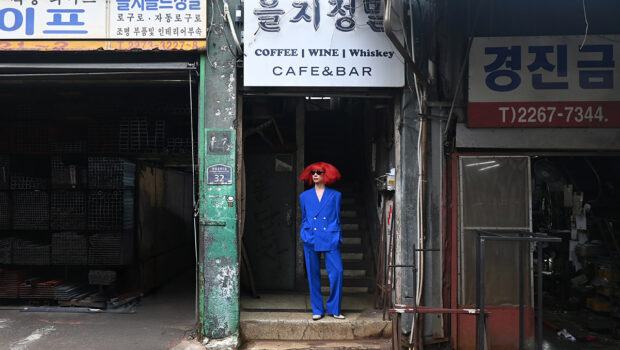
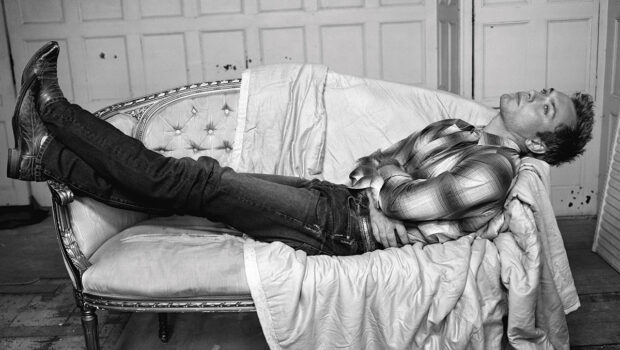
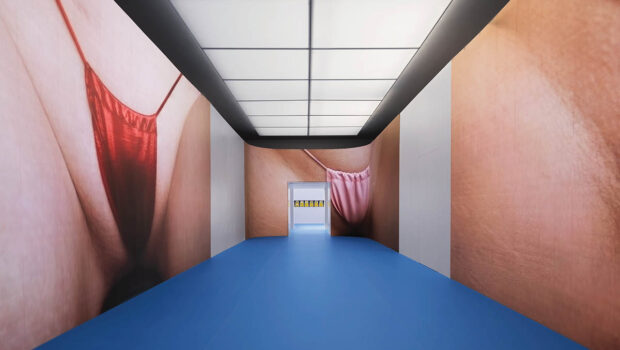
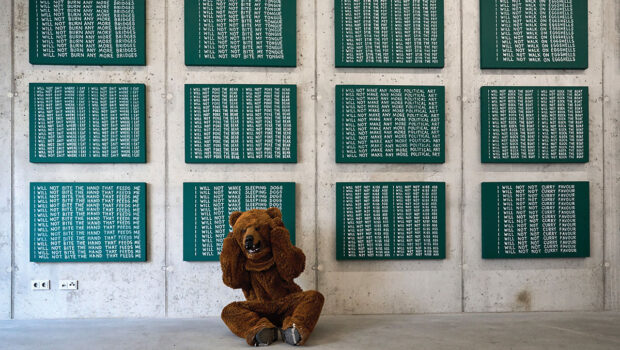
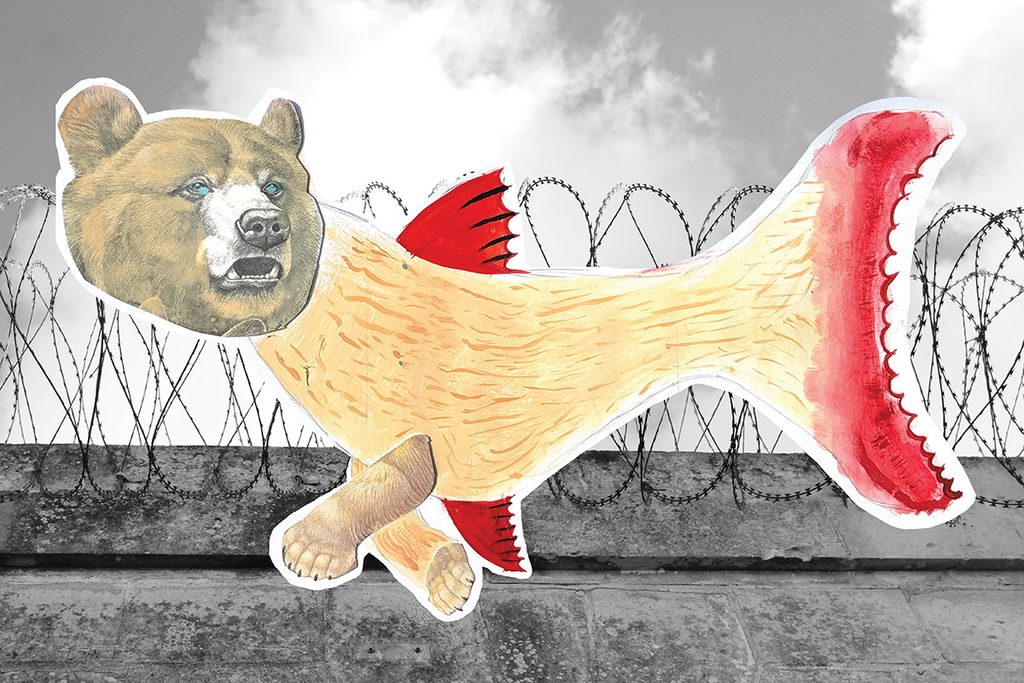
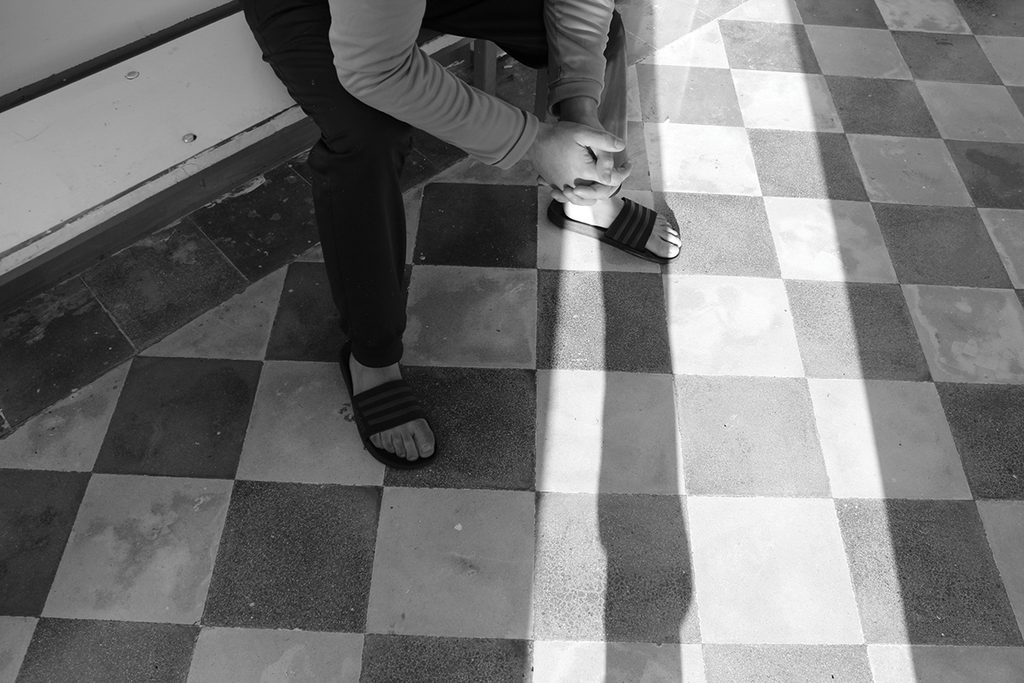
Artworks created by youth at CoRRS, Malta’s juvenile detention centre, at Valletta Contemporary
It sounds easy – and it has become fashionable – to dream up projects, or start foundations, or apply for funds to cook up an event, or series of events which create impact on the community, on the future of society, and embellish it with ‘art’. Show something for it… get your legacy sorted. Feel good about the outcome. Change people’s lives. Empower some kids or some women, or a marginalised group. Make them feel like we care. Perhaps spark some healing. Display it in public. Remind people that this or the other group is there. They matter. They have feelings. And after all, it was one of the heroes of contemporary art, Joseph Beuys, who stated, “Every human being is an artist, a freedom being, called to participate in transforming and reshaping the conditions, thinking and structures that shape and inform our lives.”
And it had become so fashionable that we forgot that actually, in the right hands – it works. Art and the transformation of society are intrinsic to one another.
If you know me, you might have to dig through your perceived bias – because although I consider Duška Malešević and Pep Herrera two of my closest friends – and have followed their careers closely and infinitely, I had not been aware of this collaboration until the funding was granted – and when it was – I knew immediately that it was a phenomenal idea and a brilliant recipe. Pep has the right skills to engage a community in collaborative artworks, and Duška had been itching to manifest her deep understanding of translating emotion into expression.
I know that this project came after thousands of hours of dreaming, and planning. Of believing – that artists can sit down with a group of people and facilitate communication, dialogue, expression and change.
As Olaf Eliasson said when visiting Malta – artists should be at every table where decisions are made. I believe that artists should be at every table. Period. I caught up with the two artists to understand better how one does this. Properly.
Duška Malešević is an interdisciplinary visual artist. She holds an MA in Psychology of Art from Sapienza University of Rome, Italy. Her practice explores the tension between beauty and decay, attraction and discomfort, the quiet moments where something fragile exists inside something damaged or constrained.
Through photography, objects, light and text, she is interested in what remains when the subject is absent: light on a surface, a trace, a fragment, or a space that holds memory without describing it. Rather than documenting events or people, her work focuses on atmosphere, the emotional charge carried by ordinary materials and overlooked spaces.
Working in restricted environments deepens this approach. Limitation becomes a language in itself. When the body cannot be shown, the space begins to speak. When narrative is reduced, attention sharpens. The image becomes less about explanation and more about presence. This workshop extends her ongoing exploration of restraint as a creative method using artistic expression not to reveal, but to hold.
Pep Herrera is a freelance mural artist (pseudonym Pep Walls) based between Catalonia and Malta. He holds a Bachelor degree in Fine Arts from the University of Barcelona and completed one year of studies at the Academy of Fine Arts in Prague.
His murals are characterised by a synthetic and illustrative style, often infused with irony and sarcasm. “Urban art has an ability to activate connections with local communities who seem to understand the contexts in which I work, which in turn leads me to create murals with social responsibility while striving to achieve artistic excellence.”
In certain socially engaged projects the design and execution unfold as a collaborative experience, particularly with vulnerable groups at risk of social exclusion. The main objective of these projects is to give visibility and empower these communities through participatory artistic experiences. Public spaces become a platform to amplify their voices and create opportunities for inclusion.
“Throughout my career, I have worked in refugee camps, shelters for minors under social protection, highly complex educational centres, homeless shelters, and prisons.”
We often speak about giving people a voice, but the voice is already there. What is frequently missing is an audience willing to listen without judgement or expectation.
JD: Duška, your background in art psychology certainly gave you a good foundation in preparing for this project. Were the outcomes as good as you hoped? Does acknowledging that everyone has a right to culture live up to its desired transformation in people?
DM: My background in psychology of art gave me tools to listen, observe and create spaces where people could express themselves without feeling judged. But I quickly realised that no amount of preparation could replace simply being present and genuinely engaging with each individual. The most valuable part of the process was not trying to achieve a predetermined outcome, but allowing trust to develop at its own pace.
The project exceeded my expectations, although not in the way I initially imagined. The transformation wasn’t dramatic or immediate, it revealed itself through small moments: a participant finding the confidence to share a thought, someone discovering a new way of seeing themselves, or recognising that their experiences deserved to be heard. Those moments are easy to overlook, yet they are deeply significant.
I believe that culture is not a privilege but a fundamental human right. When people are invited to participate in creative processes rather than simply consume culture, they begin to recognise themselves as contributors rather than spectators. Art cannot erase social inequalities or personal struggles, but it can restore a sense of agency, dignity and belonging. Sometimes that shift is quiet, but it can have lasting effects.
JD: Pep, you have become a fixture in Malta when it comes to rallying communities and working with them on large scale murals often with a strong social message – has this become a constant in your process? Delivering an artwork born out of dialogue and collaboration?
PW: Not only in Malta but everywhere I work, my practice is very linked to social commitment, and through my murals and projects I very often work together with under-represented communities and groups. Of course, when you are working with groups in risk of social exclusion, giving them a place to express themselves in the public space, the results cannot be other than social and political messages.
Doing these collaborations the participant community really engages with every step of the creative process but at the same time I strive to maintain artistic excellence – which is more often than not very challenging.
For this reason, my projects often become an exploration of the idea of co-creation, prioritising participation and strategies on how to archive success while involving communities in every part of the artistic process.
JD: It is not often that artists transcribe well into art educators or facilitators. How did you, Duška, as an artist, communicate to persons who have been perhaps deprived of a guided creative outlet in order to help them express themselves in way they have seldom been encouraged to? How has your experience in artistic practice translated into guiding others?
DM: I never approached the participants as someone who had the answers. My role was not to teach them how to make art, but to create an environment where they felt safe enough to discover that they already had something worth expressing.
As an artist, I spend much of my time working with uncertainty. I have learnt that meaningful work often begins with questions rather than conclusions, and I tried to bring that same openness into the workshops. Instead of focusing on artistic skill, we focused on observation, conversation, memory and emotion.
Once participants realised there was no “correct” response, they became increasingly willing to experiment and speak honestly.
This experience reminded me that creativity is deeply human. Technical ability is only one aspect of artistic practice; curiosity, empathy and imagination are equally important. Facilitating this project reinforced my belief that everyone possesses creative potential it simply needs the right conditions to emerge.
JD: We are eager to see the visual materialisation of this project at the upcoming show at Valletta Contemporary. Do you feel that you, as an artist took a step further back this time? How does the artist, used to collaborative work, restrain themselves in order to allow the creative outpouring from the members of the community you worked with this time?
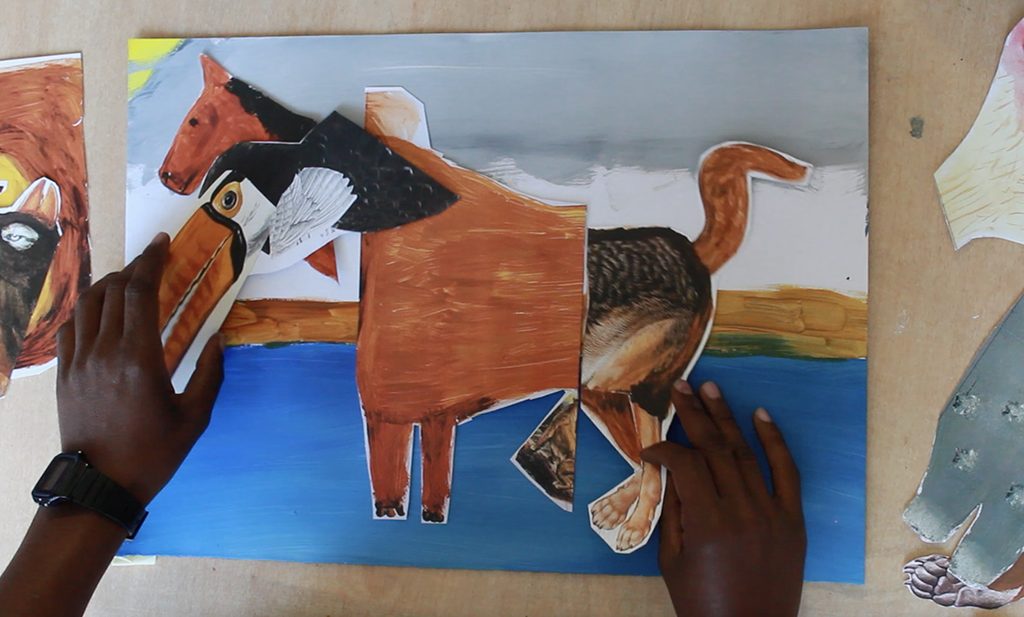
PW: I would like to say that we became art directors and curators for this project; our role for this specific project was to guide the participants with very specific exercises and workshops through an introspective journey which saw its results reflected in a number of visual artworks.
This project was different and more interesting than some of the public murals I have made, because here we did not have an actual client expecting a result where you could see for instance Pep Walls’ characteristic visual style.
In this project we could be honest with the results and use the amount of time given to really explore each of the participants’ artistic language and engage with their inner thoughts, memories and fears, helping them reflect these feelings in the exhibition.
In terms of planning there was also a lot of changes and updates from our original plans. Our original plan became very flexible, as we were getting to know the group better: doing our best to understand their needs, abilities and talents and we adapted our project to fulfil their artistic interests. This project was very much about listening; understanding what the group needed and working to satisfy the group’s needs which then affected the artistic outcomes.
JD: You have worked to facilitate the right to culture with other such communities before. Can you elaborate and share some thoughts about how you deal with every such project you select as an artist and creative facilitator?
PW: I don’t believe I have truly chosen most of the projects I have worked on with such communities. In fact, it’s quite the opposite. I started getting commissions and projects of this kind, without me searching for them – so it is more like some curators and institutions who run these kind of projects started contacting me – it all happened in a very organic way.
Working with communities of this kind, led to more work of this kind, and my portfolio became focused on these sort of projects.
I also think that muralism works well with community projects – working in large format matches the participative aspect of the projects, and the fact it results in a public exhibition – a street artwork for instance, maximises the scope of a say human rights lobby’s aim.
When I can choose my projects, or when I can look for funding to work on my own project proposal, I always try to be as innovative as possible. I try to develop new formulas and reach new communities – ones I have never reached before.
In the past I think I was very focused on trying to get as much exposure as possible – paint bigger murals, in very public venues…
Now I think I have realised this is not my priority, and as per this project I am more interested on coming up with innovative ways of connecting with communities and produce contemporary work that can occupy spaces where community and participative art is not necessarily the main focus.
JD: The work with the community happened through discussion and exploration but ultimately resulted in a visual manifestation. Which media were used to display the results of many hours of introspection and why these media?
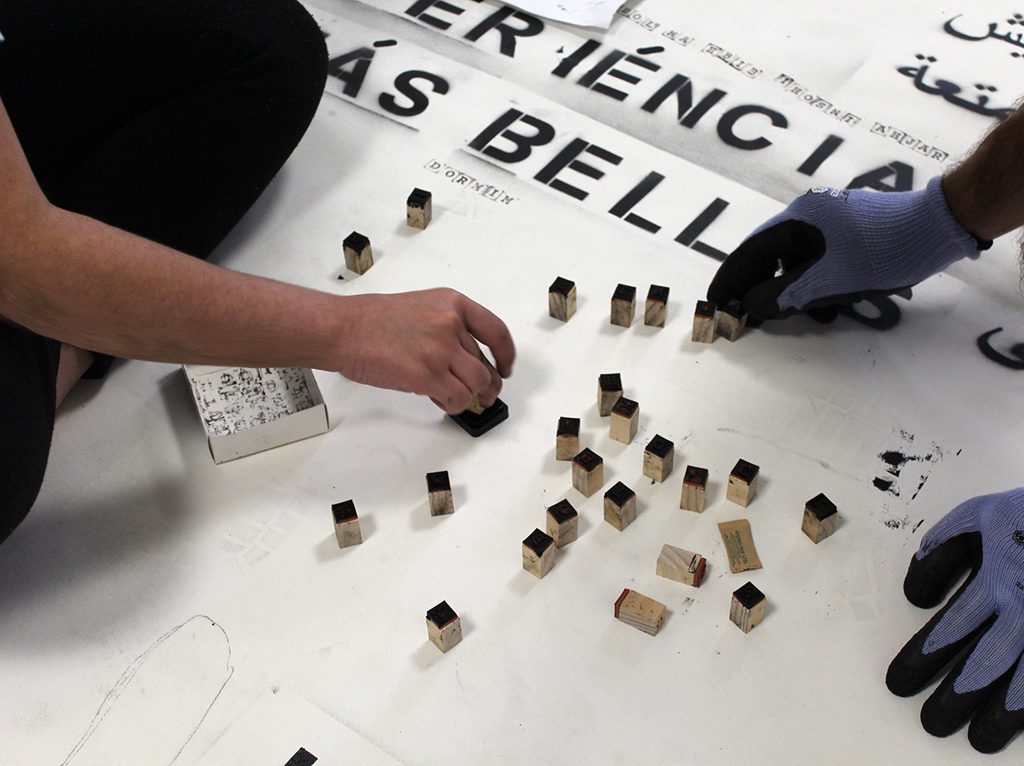
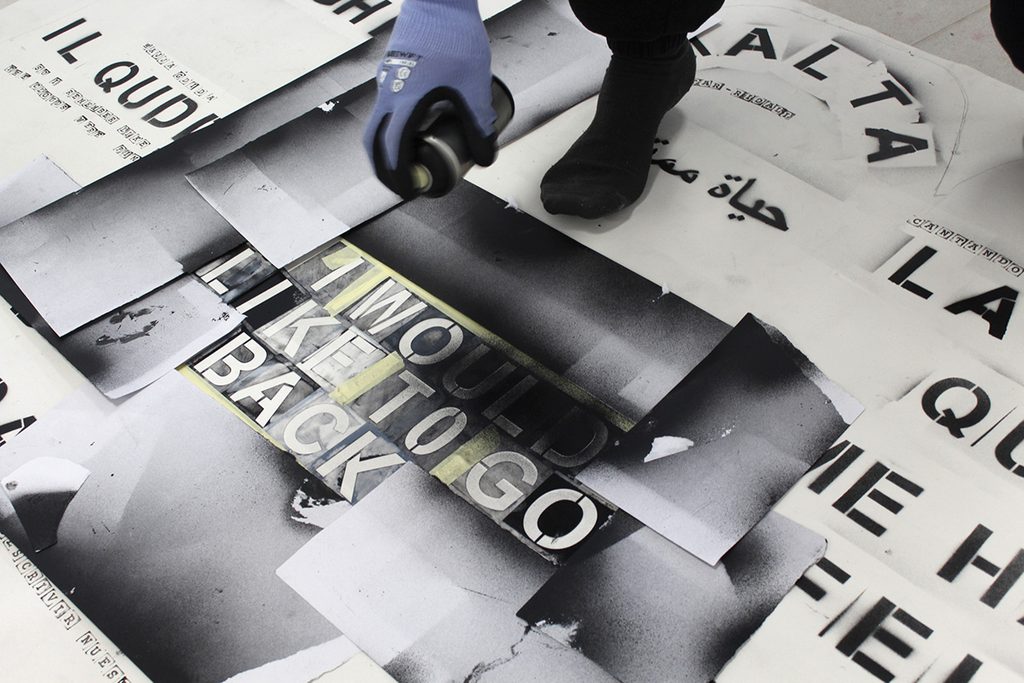
DM: The final works combined text and photography, two mediums that have become central to my own artistic practice. Throughout the workshops, conversations gradually evolved into fragments of language, short reflections, memories and thoughts that carried emotional weight without needing lengthy explanation.
Photography complemented these texts by offering visual spaces that suggested atmosphere rather than illustrating specific narratives.
This combination allowed the works to remain open-ended. Rather than presenting fixed stories, they invite viewers to pause, reflect and complete the meaning through their own experiences. That openness felt particularly important because the project was rooted in listening rather than speaking on behalf of others.
The visual outcomes became traces of a much larger process. They were not intended as documentation of the workshops, but as independent works that carried the emotional resonance of the encounters from which they emerged.
JD: What lessons learnt would you work on and how would you propose the administrators of such communities incorporate such projects as a regularly available activity?
PW: I think art and creative workshops can be very therapeutic for everyone but specially groups of people in confinement, in prison.
For some of them they can become an exercise to realise their talents and abilities and explore techniques they never had the possibility of developing. This helps them improve their own self-esteem and also aids group cohesion.
With this special group, letting out certain feelings can be difficult even through complex but mainstream psychology therapy. Art becomes a very interesting medium that can help channel emotions they don’t even realise they have been holding.
This is something we have dealt with on this project. Being in prison very often forces youth to be tough, to not show their weaknesses and to hide their mental state, which very often is fragile.
It is like wearing armour, that hides your more emotional world and shows a different person – perhaps one that is tough and careless- an act which protects them in an environment which is often potentially hostile.
Through this project we saw a level of transformation in the youth we were working with. We saw how with every workshop their armour was dismantled slowly until they showed the own self – emotional, angry, sad or hopeless sometimes.
JD: How do you hope the public will interact with the work, and what lessons have you learnt which you hope will increase understanding between persons deprived from cultural expression and the community at large?DM: I hope audiences approach the work with curiosity rather than assumption.
Too often we define people by the circumstances that separate them from society instead of recognising the complexity of their identities. The project invites viewers to encounter individual voices rather than stereotypes. One of the most important lessons I learnt is that meaningful participation begins with listening.
If the exhibition encourages even a small shift in perspective, if visitors leave recognising shared emotions where they expected difference, then it has achieved something meaningful. Art has the capacity to create moments of recognition between people who may never otherwise meet. In a world that often emphasises division, those moments of connection are quietly transformative.
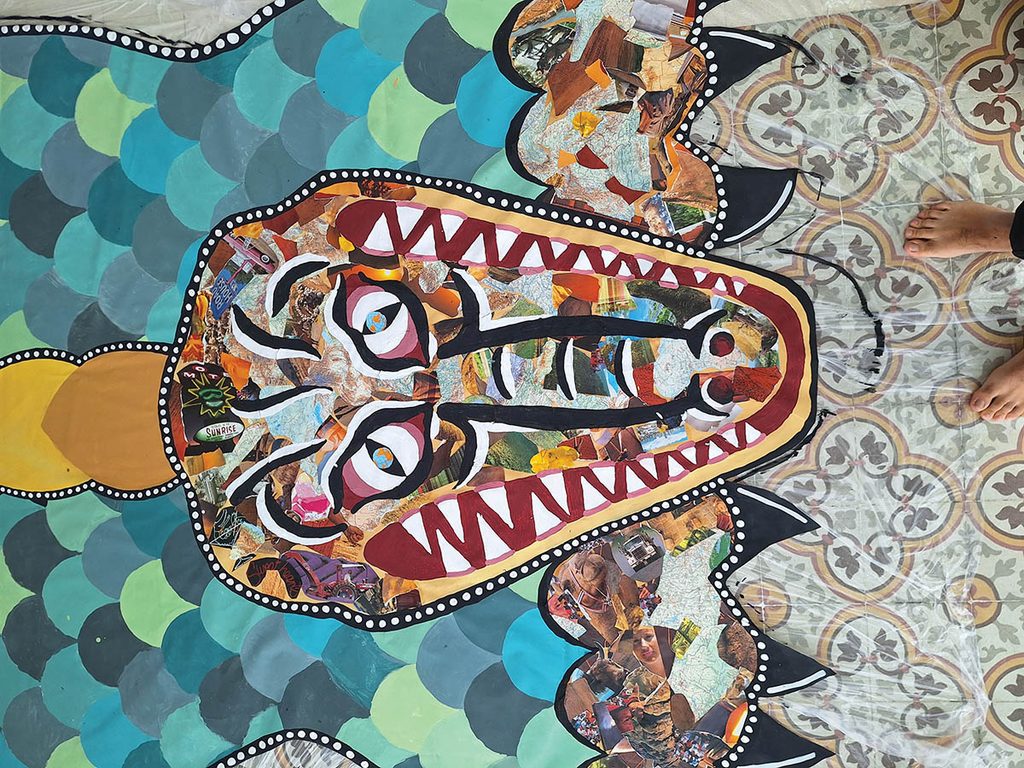
Inside Voices – What the Room Holds runs from 18 September until 17 October 2026, Wednesday to Saturday, 2-7pm (Closed public holidays) atValletta Contemporary, 15, 16, 17, East Street, Valletta, Malta.
Inside Voices brings together artworks created by youth at CoRRS, Malta’s juvenile detention centre, as part of a participatory project led by artists Duška Malešević and Pep Walls. Developed through a series of creative workshops, the exhibition presents works in photography, text, drawing and mixed media that offer insights into the participants’ thoughts, emotions, memories and aspirations. By placing these works within a contemporary art context, Inside Voices highlights the transformative potential of creativity and affirms the importance of cultural participation as a fundamental right for all members of society.
Inside Voices was funded through the Right to Culture call by Arts Council Malta, co-funded by Correctional Services Malta and supported by Valletta Contemporary.