Gwangju Biennale 2026
Malta to debut first national pavilion: Bejn / in-between
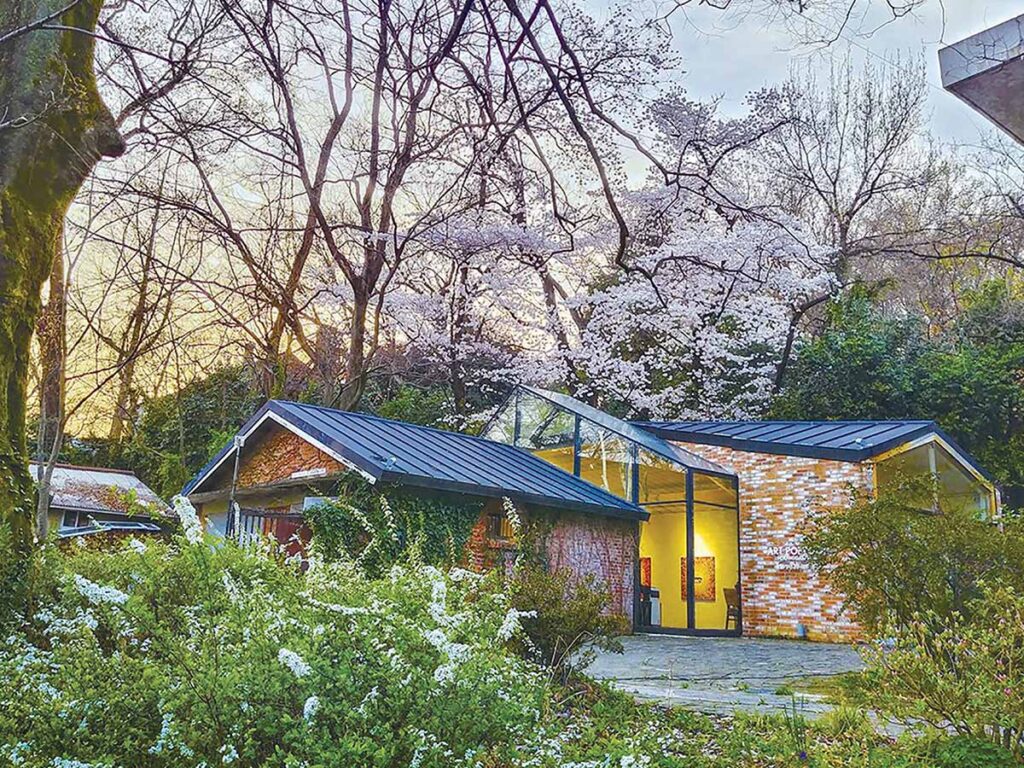
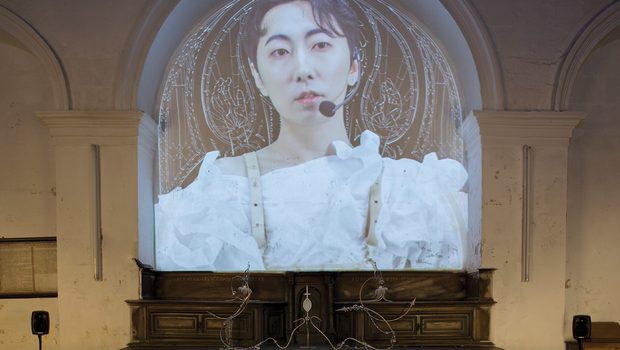
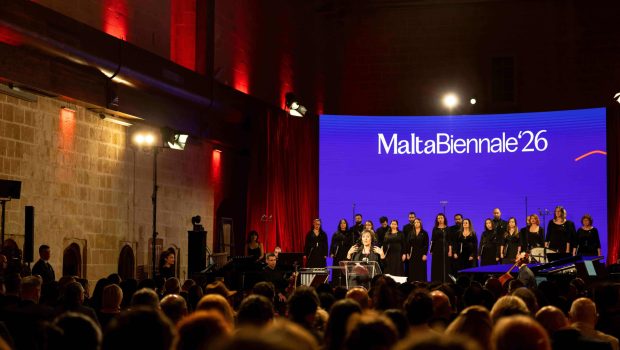
Malta will present its first national pavilion at the 16th Gwangju Biennale in 2026 with Bejn / in-between, a multidisciplinary project bringing together Norbert Francis Attard, PONKS (Sam Alekksandra and Julien Vinet), and sound artist Michael Quinton. The pavilion is managed by Toni Attard, with Yeoul Son acting as Malta–Korea liaison, and XR development led by Mark Anthony Sammut (Infinita).
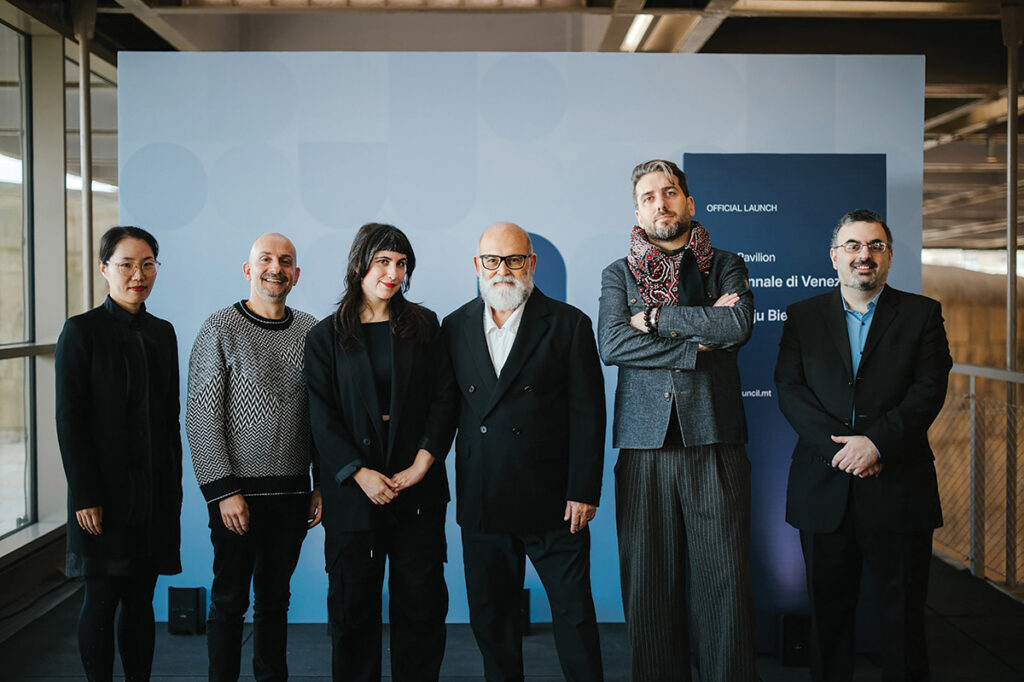
This marks a significant step for Malta’s contemporary art scene. Commissioned by Arts Council Malta, it places Maltese artists within one of Asia’s most established biennales while opening a working relationship between Malta and South Korea that extends beyond the exhibition itself.
The 16th Gwangju Biennale, titled You must change your life, takes its name from the final line of Rainer Maria Rilke’s poem Archaic Torso of Apollo. Led by Artistic Director Ho Tzu Nyen, together with curators Che Kyongfa, Park Gahee, and Brian Kuan Wood, the Biennale will take place from 5th September to 15th November 2026.
The edition focuses on the transformative power of art in response to the multiple crises and urgencies of our time.
“Bejn / in-between centres on the idea of the space between things. It looks at where identities, histories, and places meet, overlap, and sometimes conflict. Rather than treating separation and unity as opposites, the project approaches them as conditions that shape each other. The pavilion builds a shared ground between Malta and Gwangju through installation, sound, poetry, and live exchange,” the team behind the pavilion writes.
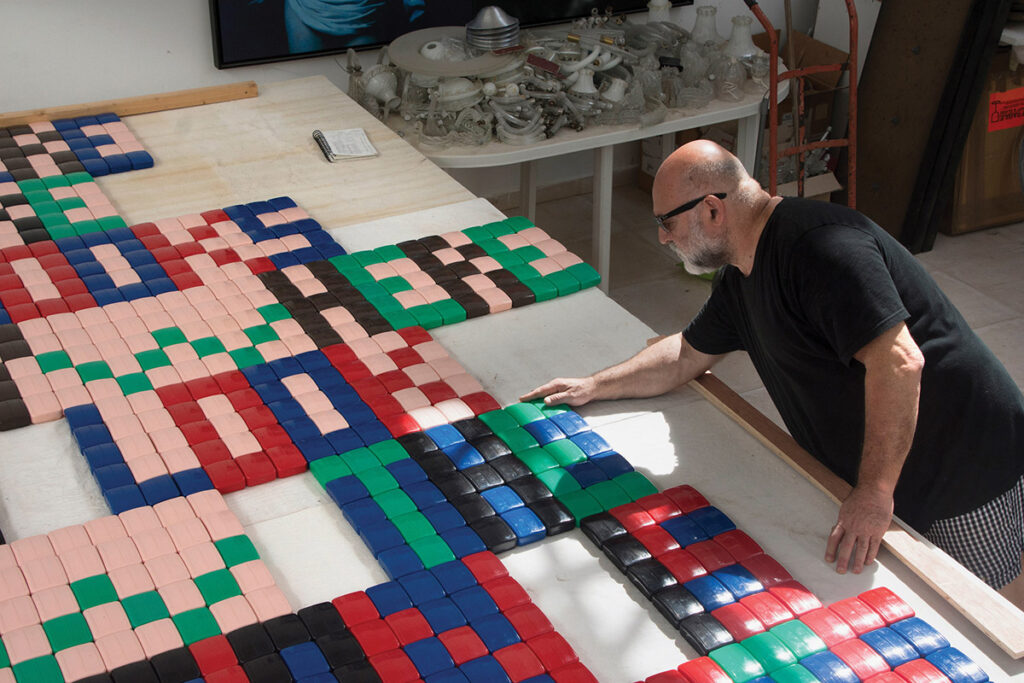
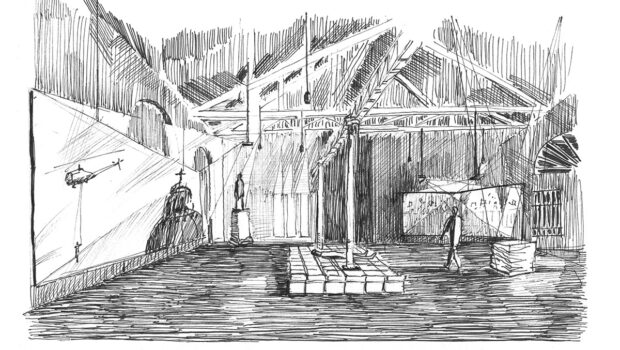
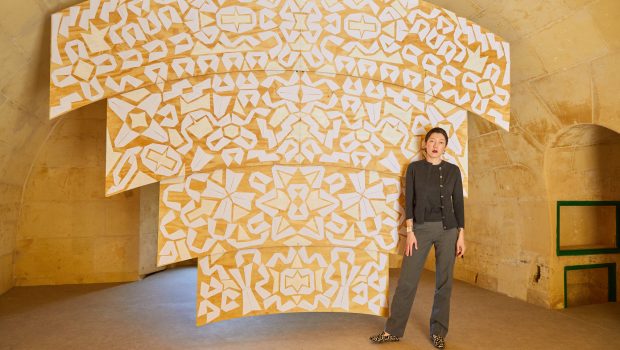
The exhibition unfolds across three connected environments at Horangassy. In the Art Polygon, Norbert Francis Attard presents a spatial intervention drawing from both Maltese and Korean visual languages. References to the Maltese ‘festa’ sit alongside the Korean colour system Obangsaek. Through tension, colour, and reflection, the work looks at balance, conflict, and collective memory, while responding to the urgency of the current global polycrisis.
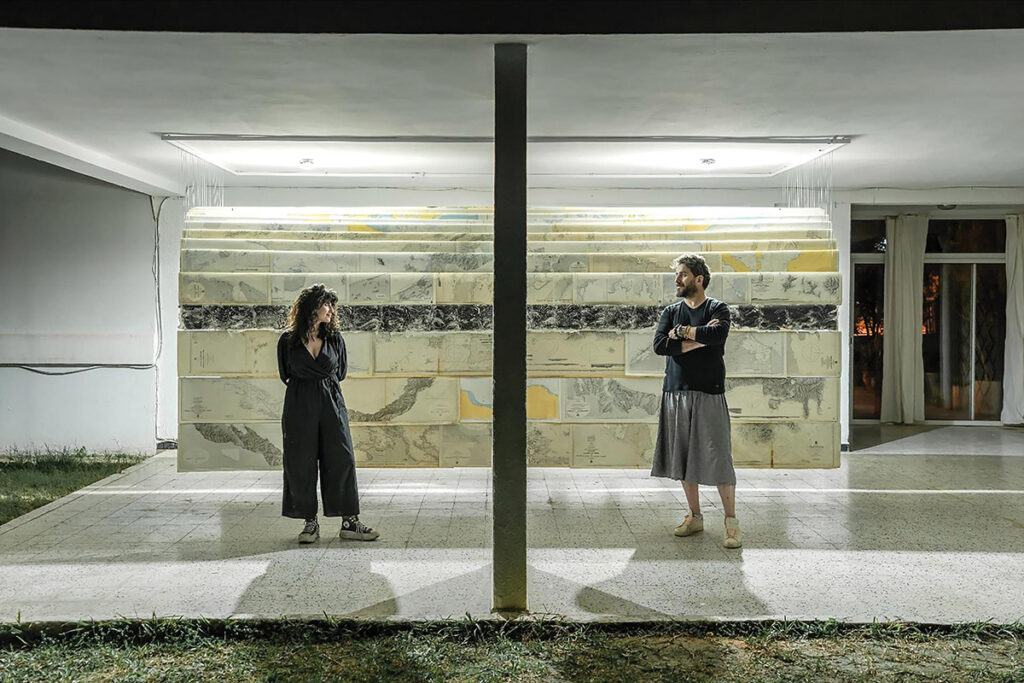
In the Glass Polygon, PONKS present Rope Temple, a large-scale participatory installation built as a temporary site of ritual. Hundreds of ropes form a central structure. The space is enveloped in a living anthology of Maltese and Korean writing. Here, poetry is treated as something shared and built collectively rather than presented as a finished object, creating the largest collaboration between poets of both countries. An anthology gathers these contributions into a physical form that visitors can take with them.
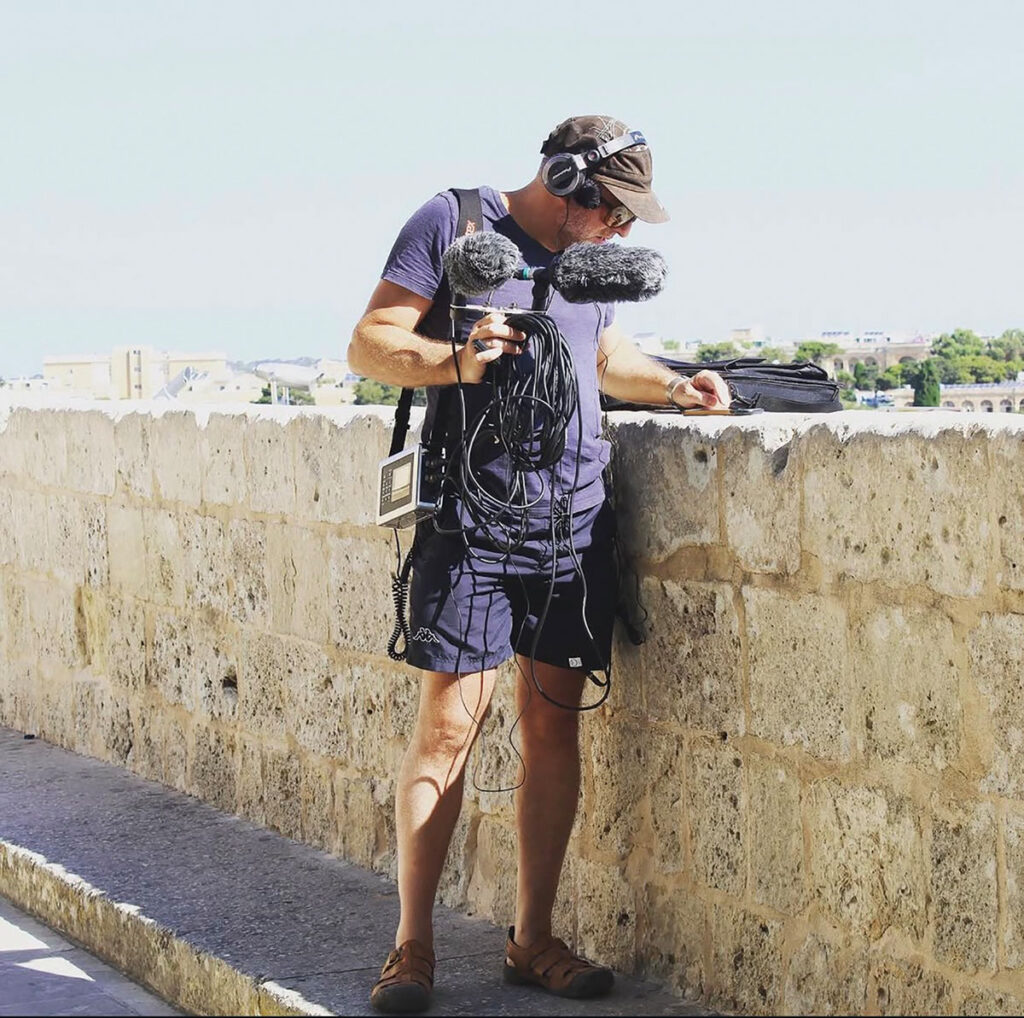
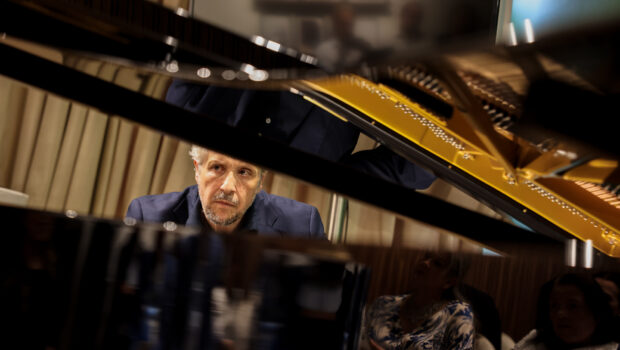
The Base Polygon extends the project into sound and digital space. Michael Quinton’s soundscape draws on recordings from both countries, creating an environment that moves between presence and abstraction. Alongside this, a VR-based portal developed by Infinita enables performances and interventions to move between the two locations. Taken together, the pavilion functions as a system rather than a single work. It moves between physical installation, sound, and live connection, focusing on exchange, participation, and process.
As Malta’s first participation in the Gwangju Biennale, Bejn / in-between reflects a wider shift towards more collaborative and outward-facing practices. It introduces Maltese work to new audiences while creating a framework for continued dialogue between two distinct contexts.
At its core, the project suggests that meaning does not sit in fixed positions but emerges in the space between them.
The Malta Pavilion at the 16th Gwangju Biennale is commissioned by Arts Council Malta. Supported by The Ministry for Foreign Affairs and Tourism of Malta, Visit Malta, and Cultural Diplomacy Fund.