IMAGINING CHANGE
A Few Rules for Predicting the Future at Spazju Kreattiv
Can we predict the future in an era defined by volatility and accelerated change? The exhibition A Few Rules for Predicting the Future at Spazju Kreattiv approaches this question through imaginative possibility. Rather than attempting to forecast what lies ahead, the collective show proposes a vision of futurity grounded in interdependence and care, situated at the threshold between lived reality and speculative thought.

The conceptual backbone draws from the writings of Octavia E. Butler, whose Afrofuturist thinking framed change not as disruption, but as an inevitable and generative condition of life. Her essay A Few Rules for Predicting the Future, written a quarter-century ago, feels strikingly prescient today. Butler understood time as elastic and history as recursive; her ideas resonate powerfully in a moment when political, ecological, and social systems appear simultaneously fragile and mutable.
Building on Butler’s thinking, curator Maren Richter proposes to look into a future that is neither mastered nor universal but inherently plural. Shaped by Richter’s approach, the exhibition aims to adopt a stance of curiosity. Without offering a roadmap for one single future, she invites audiences into a shared space of exploration – implying that we are all still learning and that imagining or building other futures requires not just critique, but practice, and collective effort. The notion of rehearsing, testing, recalibrating, and remaining open to revision permeate the project, as the participating artists generate meaning from the gaps, blind spots, and fractures of the present. Working from within conditions of collapse, the artworks treat the present itself as already speculative shaped by forces such as war, colonialism, capitalism, extraction, and surveillance that have rendered linear progress untenable.
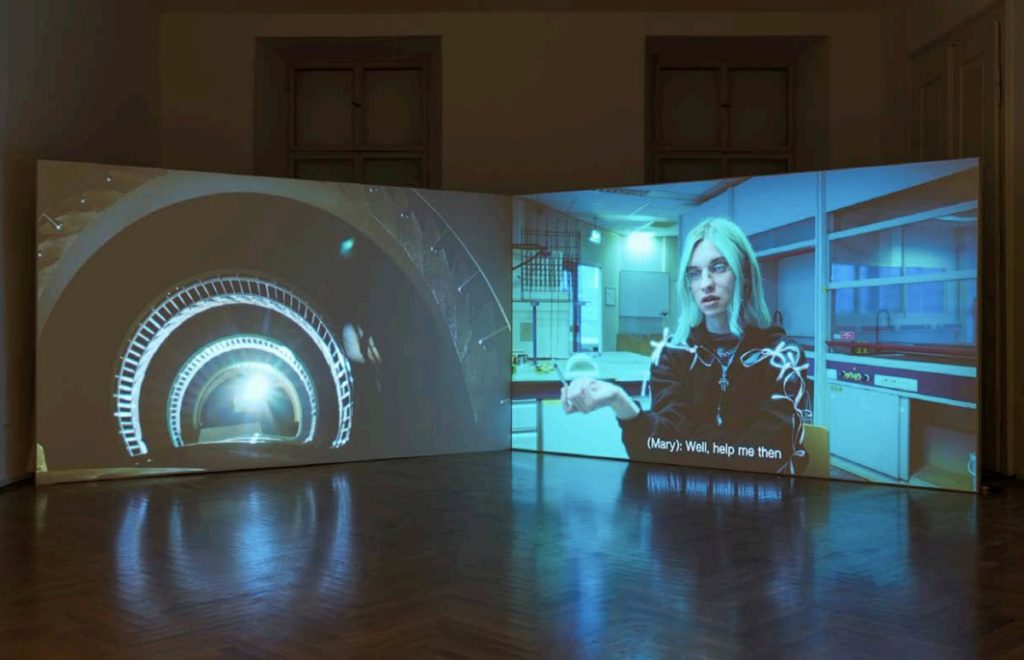
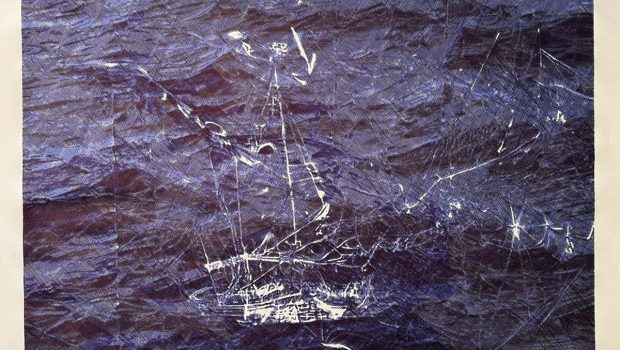
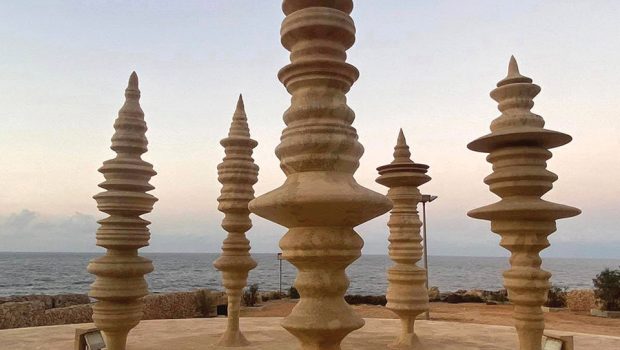
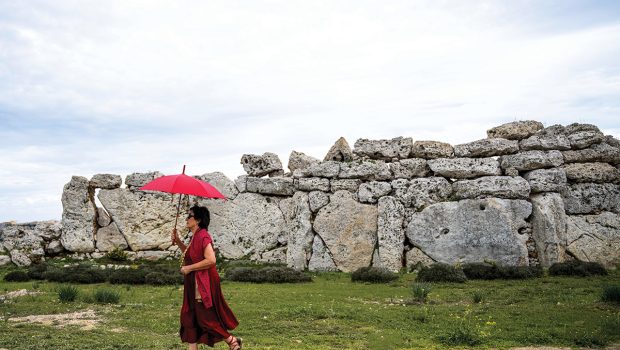
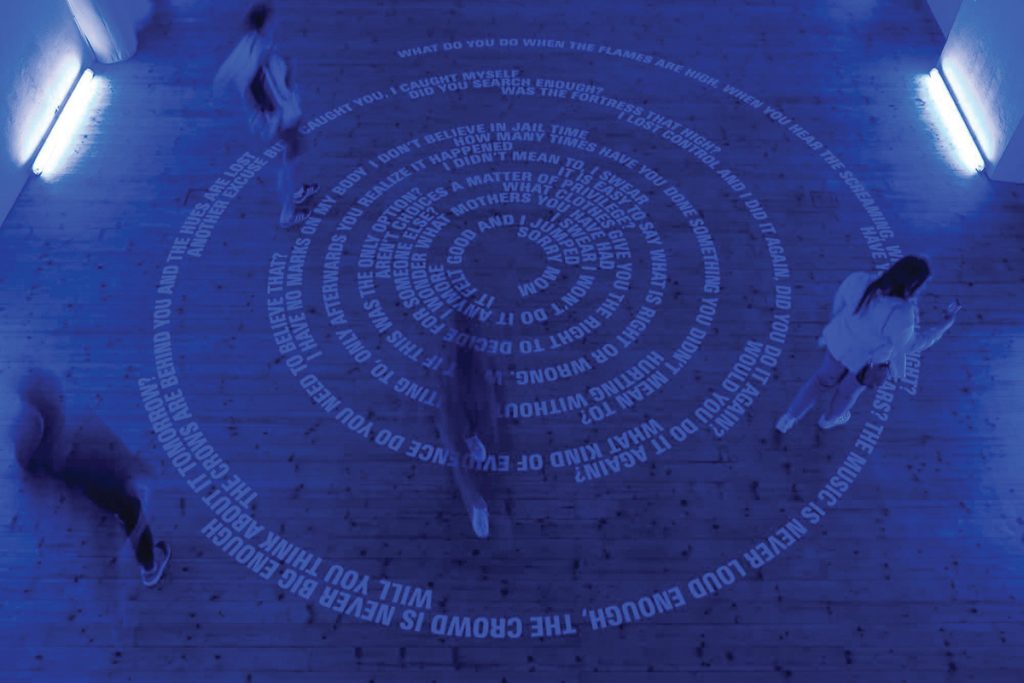
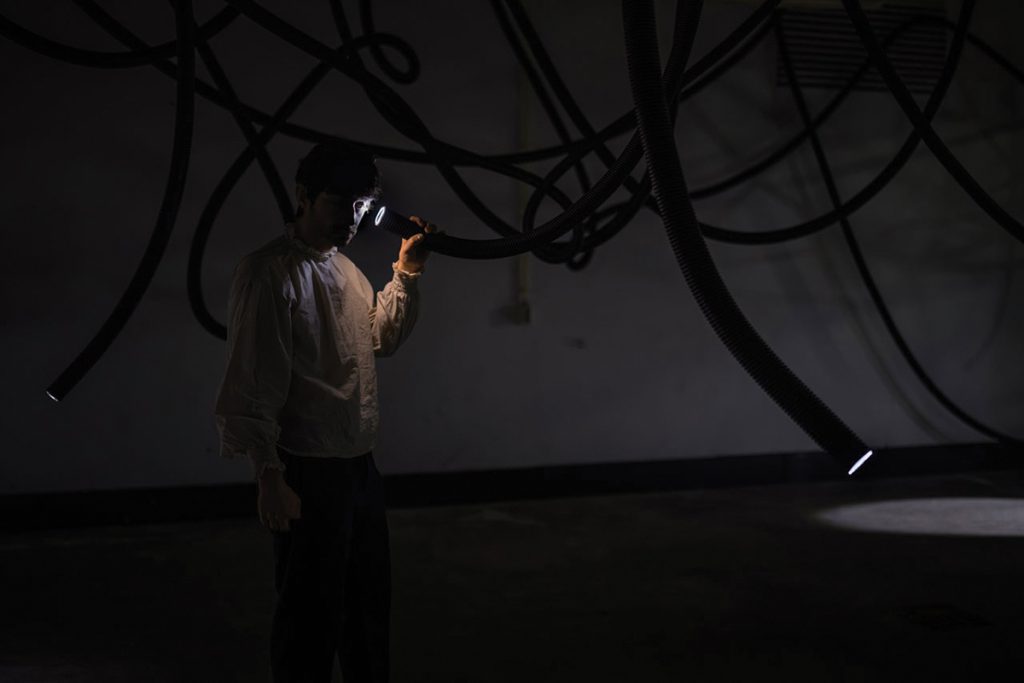
Across the exhibition, futurity consequently emerges not as a distant horizon but as something embedded in the artists lived experience: in memory (Sophia Bulgakova, Ukraine) and insomnia (Firas Shehadeh, Palestine), in play (Nyamakop, South Africa), in care and violence (Simona Andrioletti, Italy), and in infrastructures both visible and hidden (One Belt.Many Roads). Rather than resolving contradictions, the exhibition holds space for tension (Ponks Collective, Malta) and for dystopian imaginaries that open onto new forms of agency (Gabi Dao, Canada). Futures are articulated obliquely through acts of listening, remembering, mourning, hacking, storytelling, and reconfiguration.
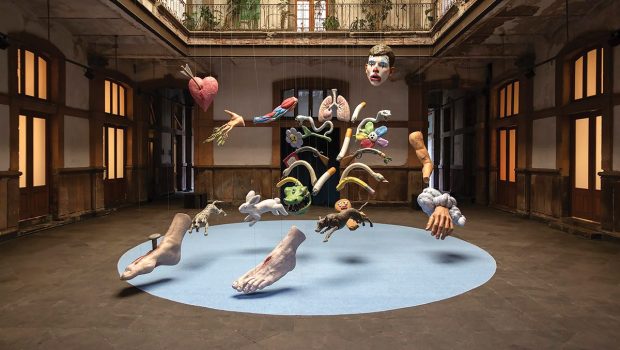
The projects in the exhibition come into being less as singular statements than as constellations: interlinked, relational, and shaped by the artists’ distinct geopolitical, cultural, and technological contexts. Forms appear provisional, as if caught mid-transformation, blurring the boundary between documentation and prophecy. Sound and light animate the exhibition with subtle rhythms, giving the impression of a space that is breathing alive, responsive, and in motion.
Throughout the exhibition, inspiration also comes from game structures and systems, inviting visitors to explore patterns of power, bias, and consequence as they move from passive spectators to active participants, navigating environments that reflect their own realities. These game-like frameworks serve as both tools of critique and ways of showing how choice, control, and limitations operate in constructed worlds that feel strangely familiar.
Taken together, the works in A Few Rules for Predicting the Future propose futurity as an ongoing negotiation rather than a destination. Rejecting the fantasy of prediction, the exhibition foregrounds practices that attend to the present as a site of struggle, imagination, and responsibility. In doing so, it insists that the future is something continually shaped through how we remember, relate, resist, and reimagine together, and from within uncertainty.
This project is commissioned by Spazju Kreattiv and supported by the Embassy of the Netherlands in Malta and Federal Ministry of Housing, Arts, Culture, Media and Sport, Republic of Austria. It will be exhibited at Spazju A from Friday 13 March to Sunday 10 May 2026.
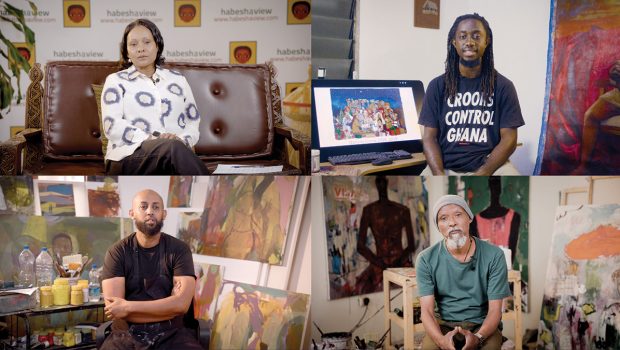
Artists: Firas Shehadeh / Palestine. Gabi Dao / Canada. Nyamakop / South Africa. Ponks Collective / Malta. Simona Andrioletti / Italy. Sophia Bulgakova / Ukraine. Grammar of Urgencies in collaboration with Agung Kurniawan / Indonesia, Almagul Menlibayeva / Kazakhstan, Behzad Khosravi Noori / Iran, Pakistan, Berhanu Ashagrie Deribew / Ethiopia, Hatem Bourial / Tunisia, transparadiso (Paul Rajakovics, Barbara Holub) / Austria, Yara Mekawei / Egypt and Klaus Schafler / Austria.
For more information visit www.spazjukreattiv.org