Art, Not Angst
Berlin Art Week
Every September, Berlin drops the pretence of being anything other than one of the great art cities on earth. From 9 to 13 September, the fifteenth Berlin Art Week turns the whole ungovernable sprawl into a single exhibition — more than a hundred museums, collections and project spaces in the official programme, and behind them the small matter of the city’s five-hundred-odd galleries, all throwing their doors open at once. You cannot see it all. Nobody sees it all. That, I’ve come to think, is rather the point — and most of the pleasure. Five days of glorious, un-policeable chaos.
I come to this year’s edition still buzzing from Venice. The 2026 Biennale was, to my mind, the best in years — the edition where artists finally stopped circling the world’s crises and reacted to them head-on, the politics of the moment translated straight into the work. That same current ran through the strongest shows of Berlin’s Gallery Weekend earlier in the year – the presentation at KOW chief among them. So I arrive in September genuinely impatient to see how this city answers. Because if anywhere reacts to the state of the world hardest, strongest, most viscerally and most subversively, it is Berlin — and I cannot wait to see what its artists make of this particular moment.
I write this as someone whose love for the gallery gets quietly recharged every time I go to Berlin, and never more than during Art Week. As I write, the full programme isn’t online yet — which is itself very Berlin, half-improvised until the last minute, the city trusting that everyone worth knowing already knows where to be. So consider this less a map than a list of the things I’ll be forcing my way across town to see, because the other truth about Berlin is that it is enormous: an hour between two openings is normal, and the best evening is the one where you make it to three.
It helps to understand why Berlin became a mecca in the first place. Two institutions did much of the quiet work: the DAAD Artists-in-Berlin Programme, which brings established and late-career artists to the city for a year, and Künstlerhaus Bethanien, with its year-long international studios. Artists come, and then they tell their friends, and the friends stay — a melting pot that keeps refilling itself. Add the production workshops you rarely find outside an art school, where you can cast a sculpture or pull a print, and you have a city built not just to show art but to make it.
Here, then, is what I can’t wait to see.
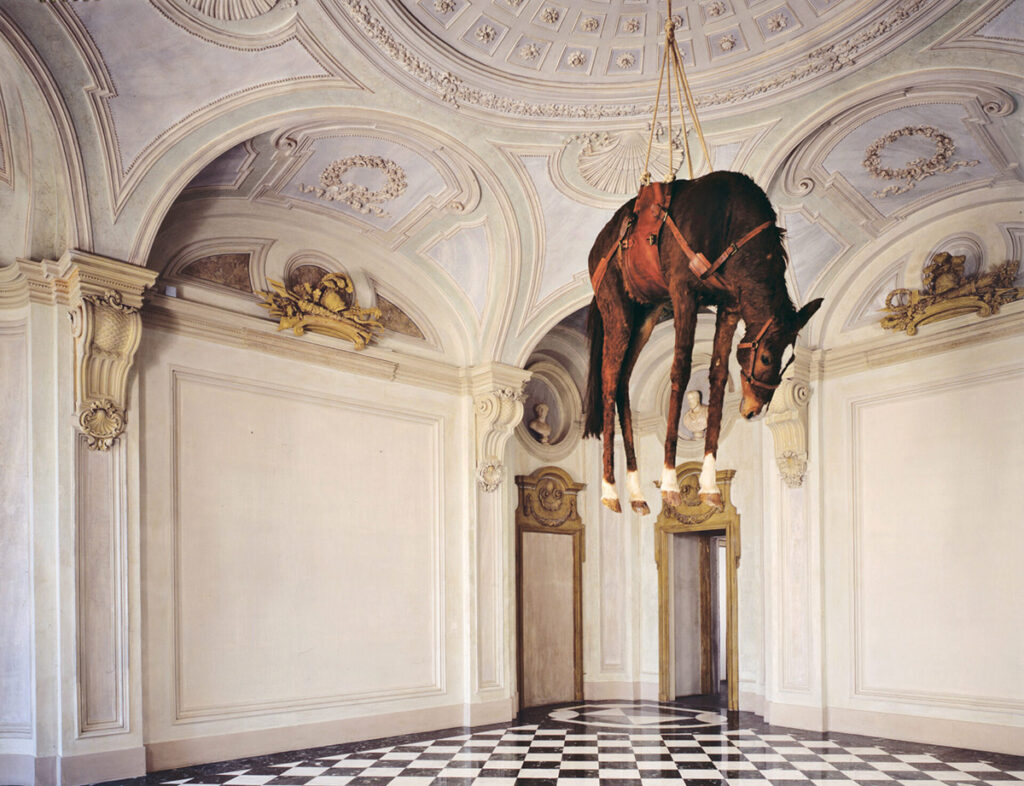
Maurizio Cattelan, NIGHT — Neue Nationalgalerie, Potsdamer Straße 50 (Tiergarten), 10 September to 7 March 2027. The blockbuster, and deservedly so. Cattelan — the great Italian provocateur of the taped banana and the meteorite-struck Pope — takes the 2026 Preis der Nationalgalerie with his first major solo show in Germany, staging historic works and new site-specific commissions inside Mies van der Rohe’s glass hall. There’s a lovely circularity to it: Cattelan last worked in Berlin twenty years ago, co-curating the fourth Berlin Biennale. Expect sharp humour and bitter seriousness in equal measure, in a building that will hold both.
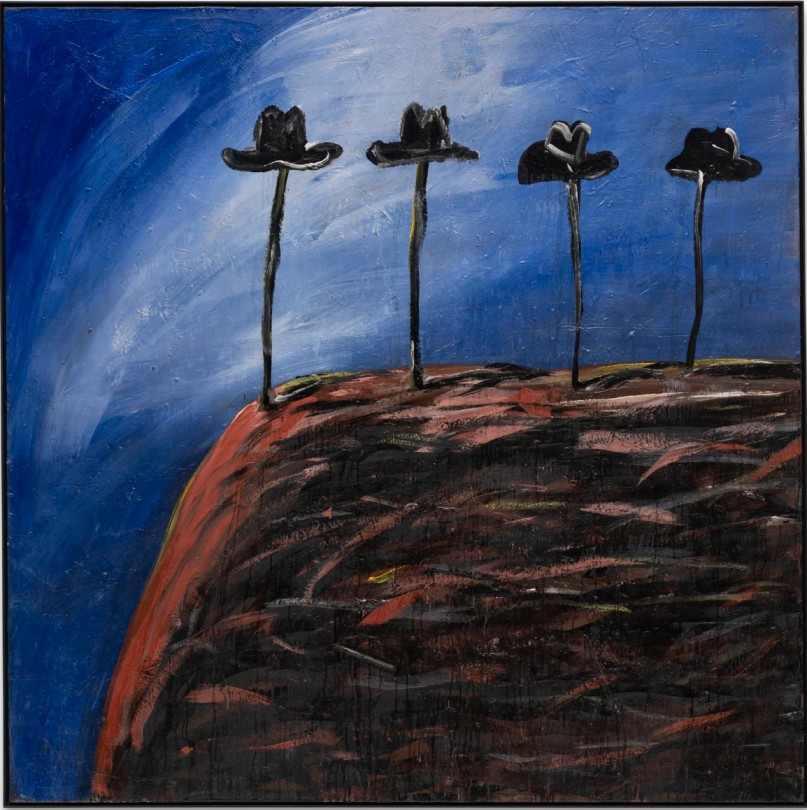
Walter Dahn, Let’s Get Married, Let’s Get Lost — Sprüth Magers, Oranienburger Straße 18 (Mitte), 11 September to 24 October. I’ll be going to this one with a lump in my throat. It’s a survey of Dahn — the punk-inflected co-founder of the Mülheimer Freiheit, pioneer of “Bad Painting,” student of Beuys — and the gallery’s first show of his work since his death in 2024. A chance to sit with a whole restless career at once. https://spruethmagers.com/exhibitions/walter-dahn-walter-dahn-berlin/
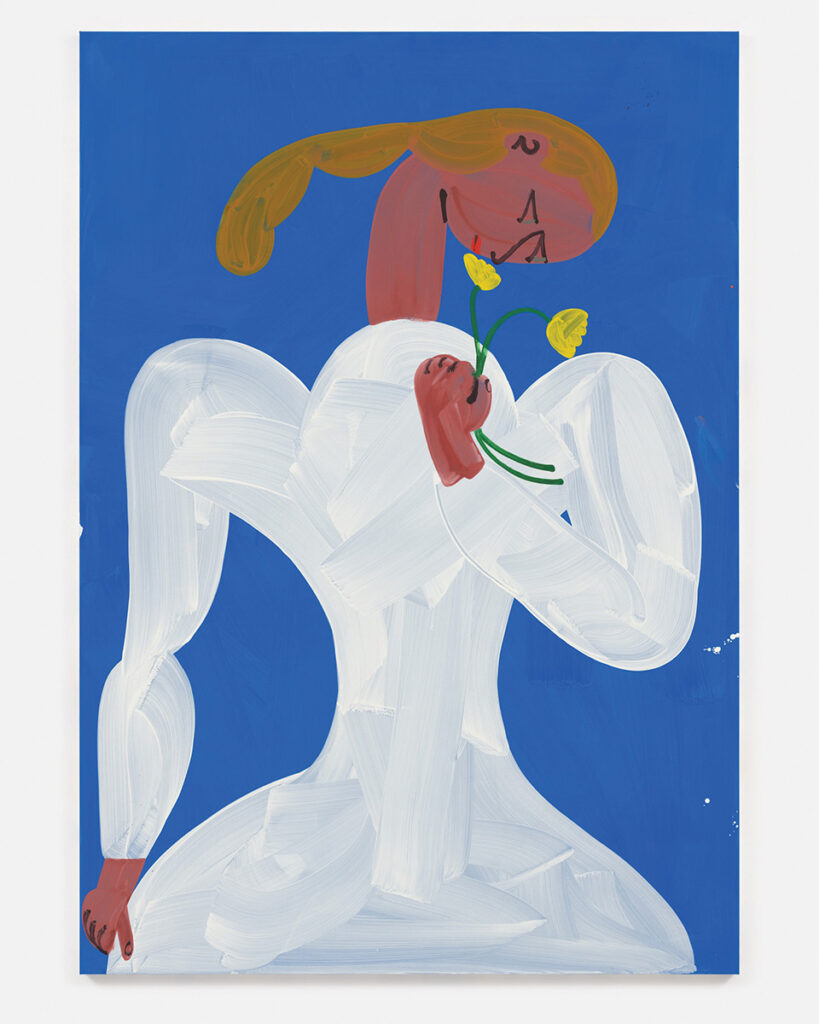
Grace Weaver — Galerie Max Hetzler, Bleibtreustraße 45 (Charlottenburg), 4 September to 24 October. Weaver’s large, tender, slightly awkward figures — bodies caught mid-gesture, full of feeling — are exactly the kind of painting I want to stand in front of for a while. Hetzler runs several spaces across the city, so check which address you’re heading to; this one’s in the west. https://www.maxhetzler.com/exhibitions/grace-weaver-parataxis-2026
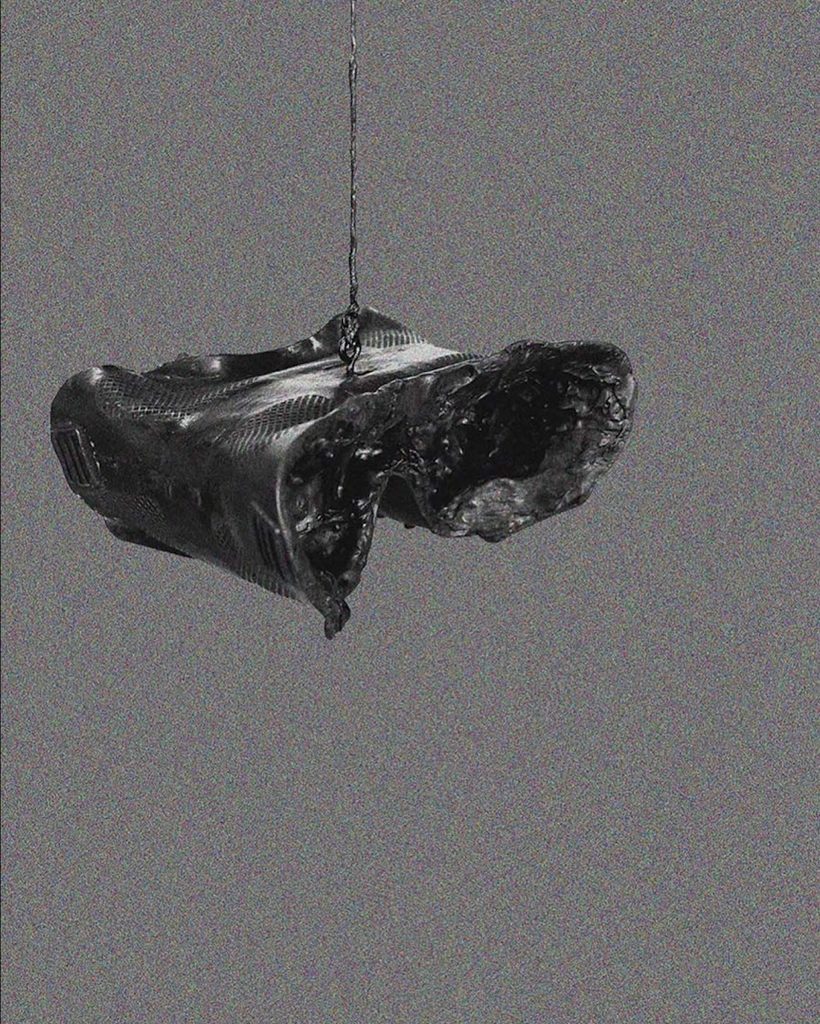
Stef Heidhues, hook, Line and Sinker — Galerie Eigen + Art, Auguststraße 26 (Mitte), opening 10 September (6–10pm), until 31 October. Full disclosure: Stef is a good friend, and she makes wonderful sculpture — objects borrowed from the everyday and the industrial, held in a state of suspension, always questioning the monumental rather than serving it. I’d flag this one even if I didn’t love her. https://eigen-art.com/en/exhibitions/current/stefheidhues_berlin26/
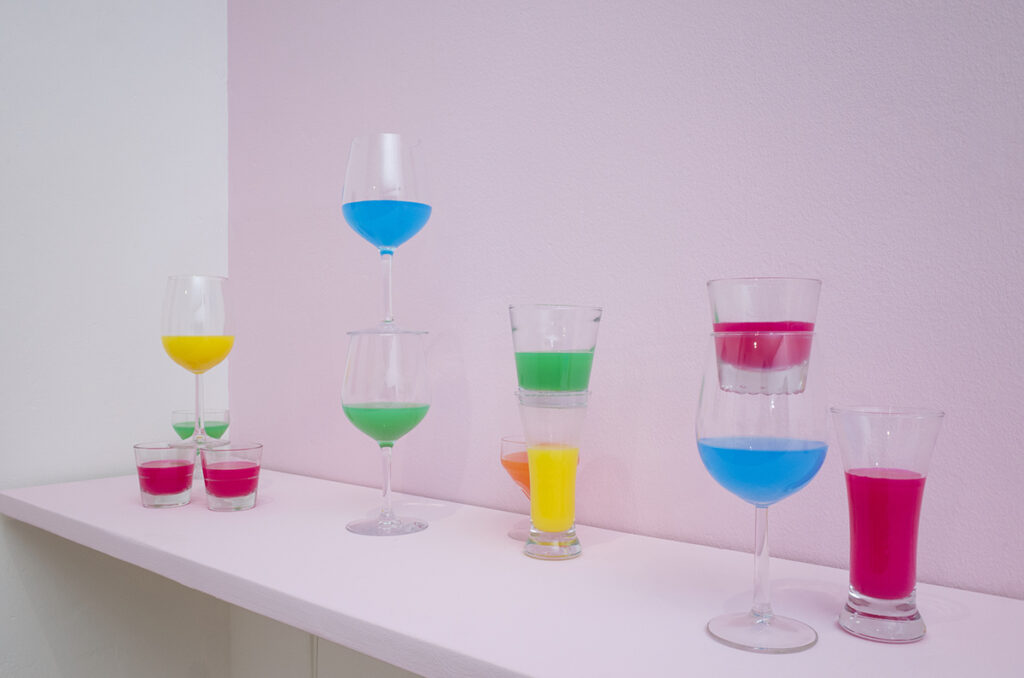
Eric Meier & Stefanie Moshammer, Bittersweet Symphony — Galerie im Saalbau, Karl-Marx-Straße 141 (Neukölln), 12 September to 22 November. Two photographers circling the same subject — alcohol addiction — from opposite directions. Moshammer, the superb Austrian photographer, approaches it through her own mother, in a poetic, encrypted language of images, objects and video; Meier photographs alcoholic men in a residential home in Eisenhüttenstadt, many of them cast adrift by the upheavals that followed reunification, with a closeness that restores dignity to people society has made invisible. That last phrase will sound familiar to anyone who read my last piece — the impulse to make the unseen seen runs straight through this show.
https://galerie-im-saalbau.de/en/exhibitions/bittersweet-symphony
Thu-Van Tran, Write As Beasts Scream at Night — KINDL, Am Sudhaus 3 (Neukölln), 13 September to 14 February 2027 (opening 12 September). KINDL is reason enough on its own: a former brewery with a twenty-metre boiler house, one of the most extraordinary industrial conversions in Europe. Tran’s work — colour, language, the residue of colonial history — should find room to breathe in it.
And if you want architecture with your art, König Galerie shows inside St. Agnes, Alexandrinenstraße 118–121 (Kreuzberg) — Werner Düttmann’s Brutalist 1960s church, converted by Arno Brandlhuber in 2015 — with three exhibitions opening on 9 September (Christian Achenbach, Monira Al Qadiri and Rebecca Brodskis). Worth the trip for the building alone.
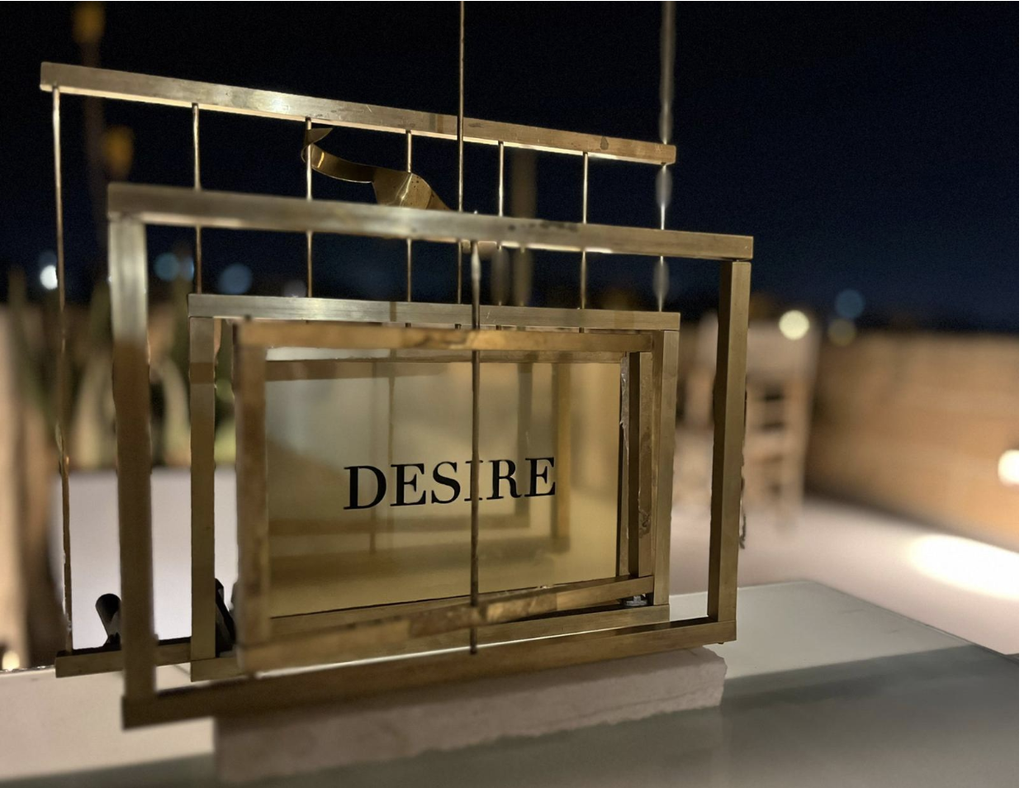
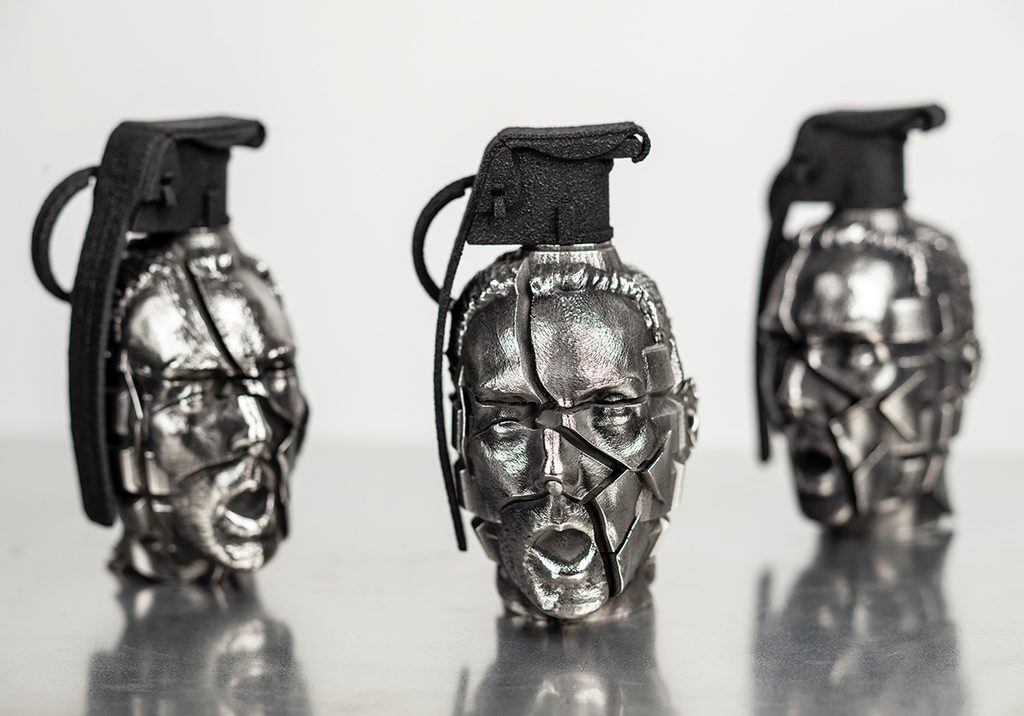
And then there’s the one closest to home. My friends Madeleine Fenwick and Kane Cali open SEE / SAW at AOA;87 (Sophienstraße 5, Mitte), a collaboration between AOA;87 and R Gallery in Malta, with a private opening on Wednesday 9 September, at 7pm – the very first night of the week. Fenwick, British-born and Valletta-based, is a painter turned sculptor whose meditative, copper-led works trace rhythm, balance and movement, a practice she has developed between Malta and Mexico City, where she showed her largest installation to date at Salón ACME during Mexico City Art Week in 2025. Cali, born in Malta in 1983 and a Royal College of Art graduate, is an experimentalist who treats data like pigment – casting it into glass, ceramics, stone and 3D-printed forms from his studio in Valletta. Two artists, two galleries, two geographies: the show takes balance itself as its subject. Not instability, which it treats as a given, but the harder, quieter business of staying upright inside structures we did not choose and cannot leave. It is arranged, as the galleries put it, like a structure under load — each element holding because the others hold. A genuine Malta–Berlin co-production, and a neat illustration of how far the island’s galleries now reach. It’s the kind of two-hander I always find myself thinking about long after the crush of the openings has faded.
https://www.aoa-87.com/exhibition/equilibrium/
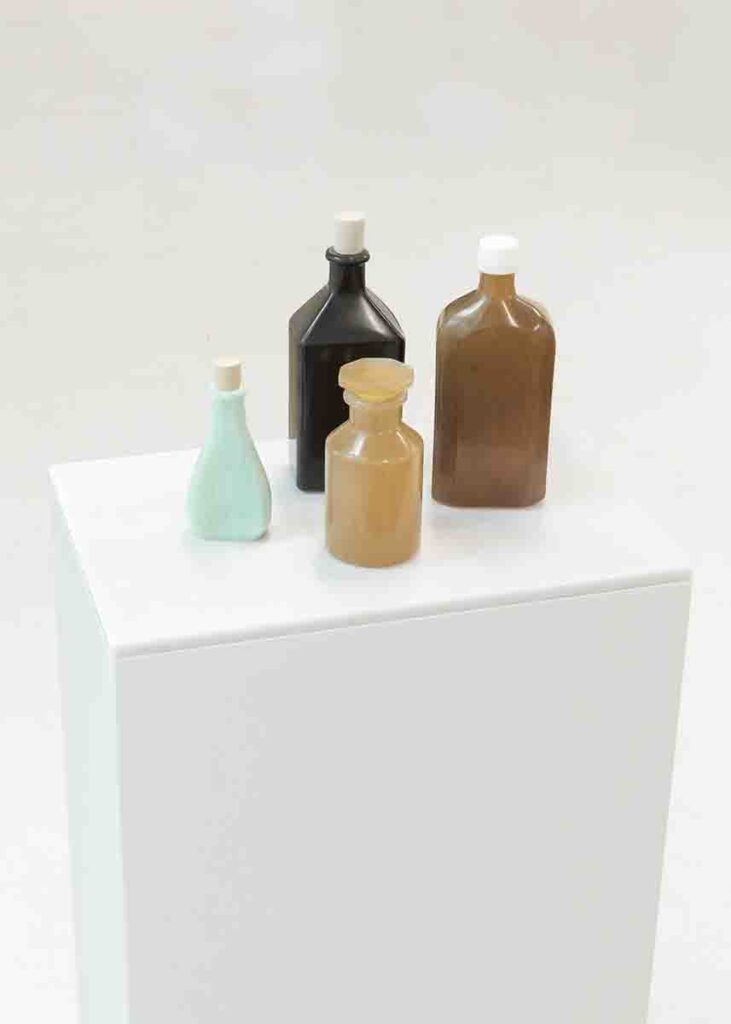
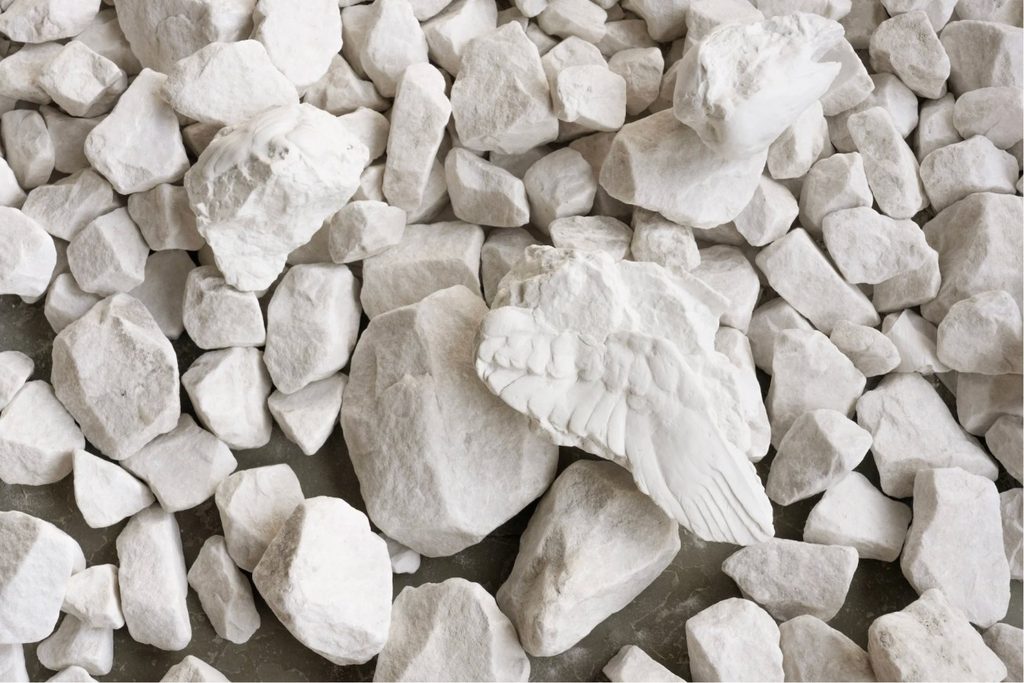
This is my way into the wider Malta–Berlin traffic, as it runs in both directions. Andreas Blank, based between Aurach and Berlin, carves everyday objects – a jam jar, a pair of boots, a crumpled sheet of paper – by hand from marble, alabaster and sandstone, giving throwaway items monumental permanence and using the kind of stone once reserved for religious and political statuary. His practice is exactly what those rare Berlin production workshops make possible, and his work returns to Valletta Contemporary next year. For Berlin Art Week, he will show with Anne Jungjohann, Andreas Blank, Wolfgang Ganter and Ria Wank. The exhibition takes place within the Uferhallen Open Studios on the 12th and 13th of September, 2-8pm, Uferstraße 8-11, 13357. I’ll also be keeping an eye out for Nina E. Schönefeld, the Berlin artist whose charged, dystopian video installations — including RIDE OR DIE, which premiered at KINDL — turn post-apocalyptic cinema aesthetics onto the politics of the present.
The official list is only ever half the story, and, honestly, not the wild half. The city genuinely comes alive: the galleries that aren’t on the programme, the project spaces and off-spaces, the openings that spill into club nights in the old industrial halls of the former East – spaces like MaHalla, the vast ex-AEG turbine factory out in Oberschöneweide, which shows art by day and dissolves into DJ sets and dancing by night, the way only Berlin seems to manage. The week’s centre of gravity is Featured Night on Friday 11 September, 6–10pm, when everything opens simultaneously and the whole art world is out on the street at once. There are collections that only open on Saturdays, special projects tucked into astonishing buildings on the city’s edges, and – a personal favourite of the “only in Berlin” genre – the art programme rising inside Spreepark, the abandoned GDR amusement park in Plänterwald that the city has spent well over a decade bringing back to life, and which is finally reopening its gates. This year the Kulturforum serves as the festival’s central hub, with the Hamburger Bahnhof (Invalidenstraße 50–51, Moabit) – the former railway station that opened as Berlin’s museum of the present in 1996, and turns thirty this year – anchoring the museum end of things.
Five days, five hundred galleries, and no chance of seeing even a fraction. If you’re only there for the week, make your peace with that early – pick your openings, walk between them, and let the city do the rest. The full programme will be available on the Berlin Art Week website berlinartweek.de closer to the event time. I’ll see you somewhere in the crush.