From Malta to the Shinan Archipelago
Islands Thinking the World
What happens when islands cease to be treated as peripheral territories and become lenses through which to read the world?
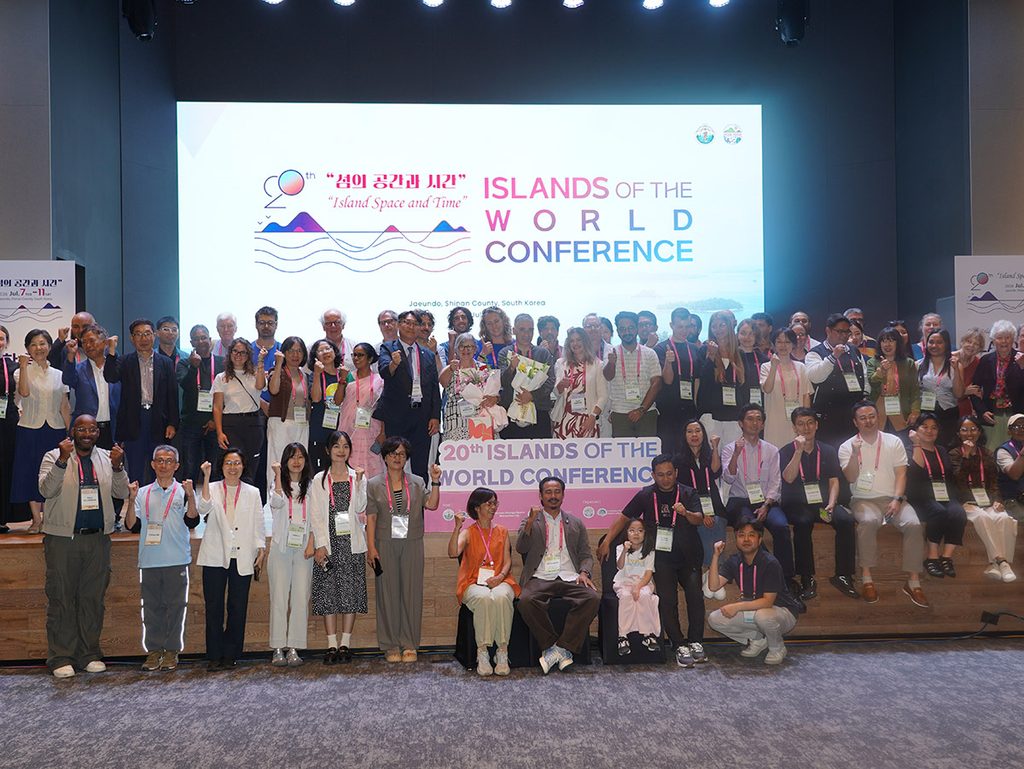
This question has animated ISISA, the International Small Islands Studies Association, since 1992. Its interdisciplinary network connects island worlds across the Mediterranean, Atlantic, Caribbean, Indian Ocean and Pacific. Island Studies asks what becomes visible when the island itself becomes the starting point of inquiry. In July 2026, ISISA’s 20th Islands of the
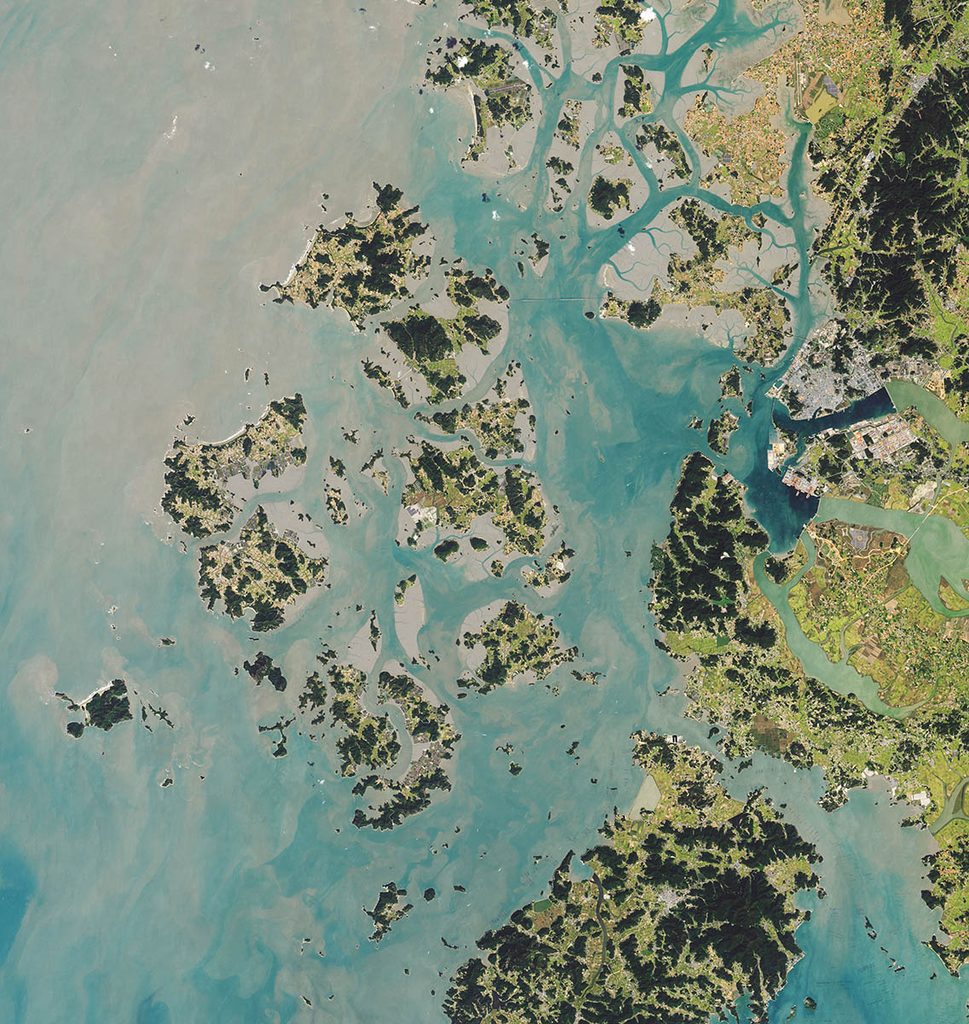
World Conference brought this conversation to Jaeun-do, in South Korea’s Shinan Archipelago. Part of the UNESCO Shinan Dadohae Biosphere Reserve, Shinan is shaped by tidal flats and marine ecologies. Fishing, aquaculture and salt production coexist with renewable energy, ecological tourism and responses to demographic decline.
Seen from the Mediterranean, Shinan offers a counter-image to the spectacular urban futures associated with Gulf cities: dispersed rather than monumental, shaped through tidal ecologies and inhabited landscapes. Yet Shinan resists becoming an island utopia. In 2025, the Associated Press reported that US Customs blocked imports from Taepyung, South Korea’s largest salt farm on nearby Jeungdo Island, over indications of forced labour.
For Maltese readers, Island Studies is close to home. The University of Malta has been a pioneering centre since 1989. Lino Briguglio’s vulnerability-resilience framework distinguished structural exposure from resilience strengthened through governance; Godfrey Baldacchino helped shift the field towards understanding islands through their own relations and agencies. Today the Institute is directed by Stefano Moncada, a keynote speaker in Jaeun-do, whose work shows why “smallness” cannot be reduced to population or territory alone.
At ISISA, I convened Archipelagic Futures: Art, Heritage and Situated Ecologies with Pedro Pombo of the University of Malta’s Islands and Small States Institute and Seoul-based artist Dew Kim. The panel explored how artists can contribute to civil resistance and alternative futures in insular territories. Pombo’s ECO-Heritages research examines how cultural heritage and vernacular knowledge contribute to ecological and social resilience across island societies. I arrived in Jaeun-do through contemporary art.
My practice-based PhD, The Right to Joy in the Central Mediterranean, approaches the region as a political and aesthetic field where artistic and curatorial practices can generate situated knowledge,
alternative imaginaries and civil resistance. It understands islands as relational and imaginative thresholds.
Kim approaches islandness through queerness, unsettling binaries of land and sea, island and continent, centre and margin. Malta had already provided a radical testing ground.
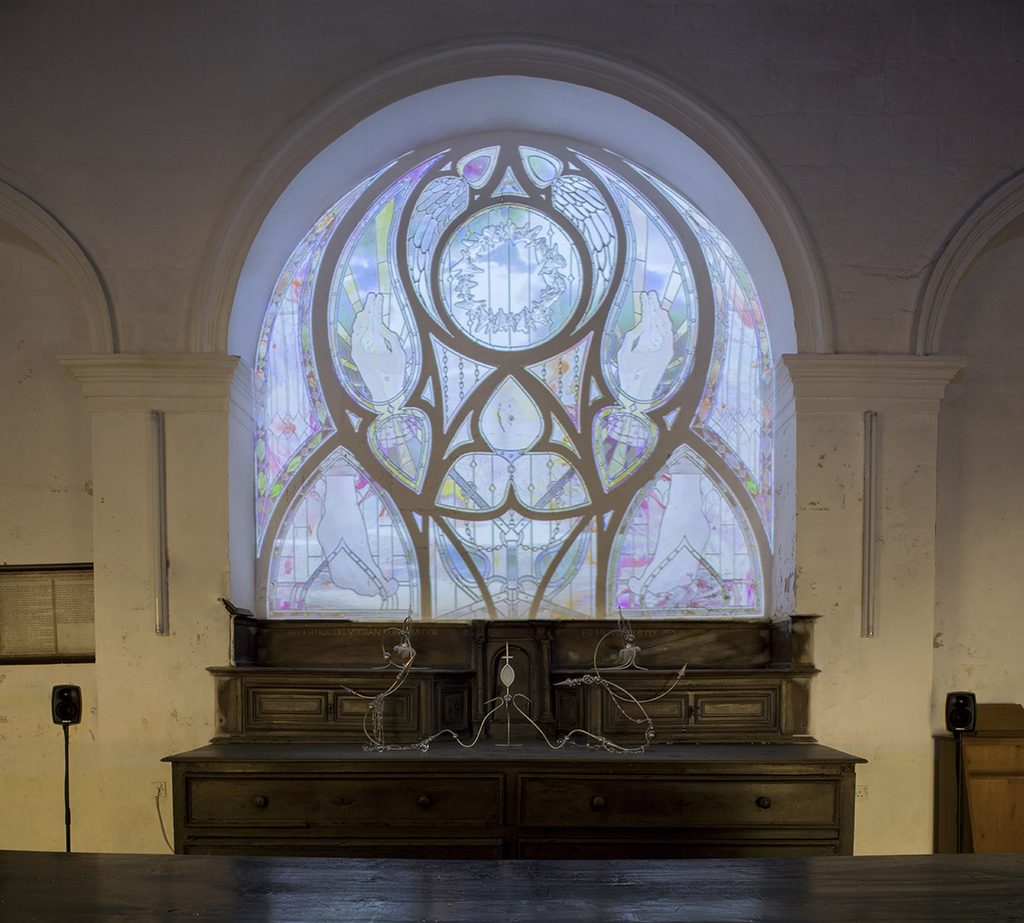
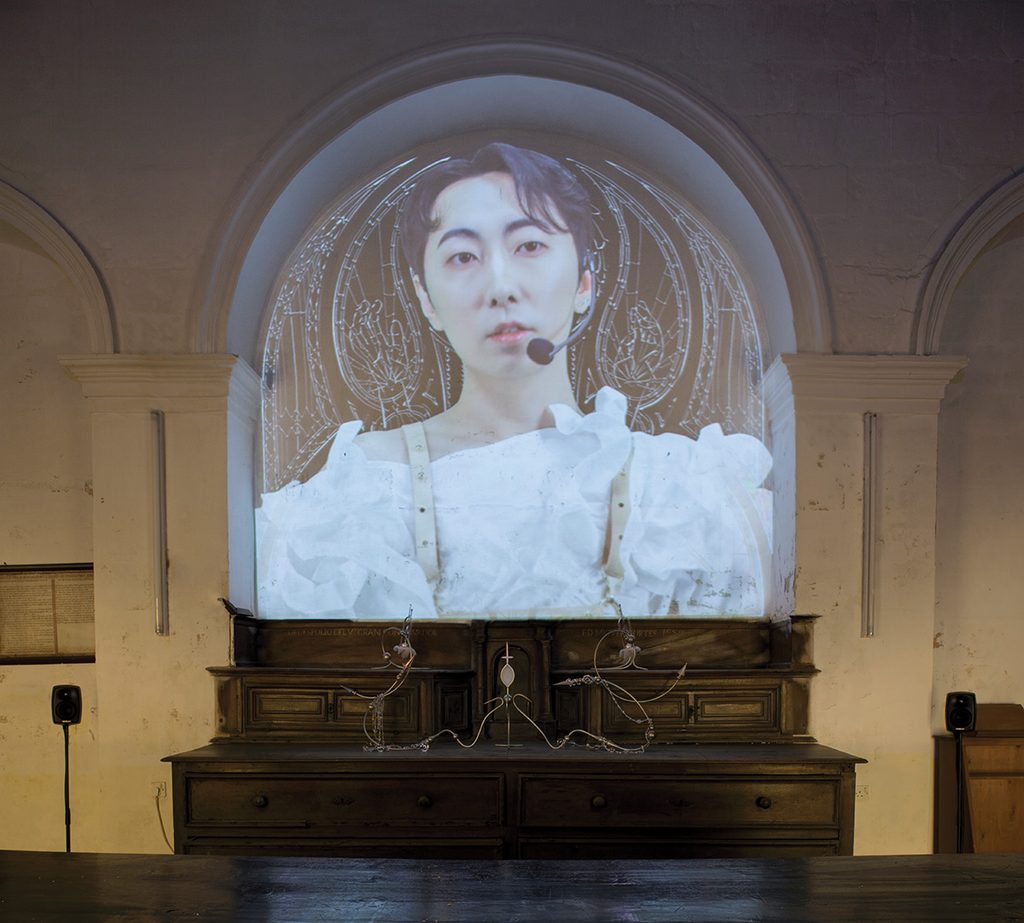
Commissioned for Malta Biennale 2024 by the curatorial team I formed with Emma Mattei and Elisa Carollo, Kim’s The Enchanting Offering and The Holy Wounds occupied the vestry of the Church of Our Lady of Pilar in Valletta. Video and sculpture brought sexual desire, pleasure, suffering and devotion into proximity with Catholic iconography, while the K-pop “Ending Fairy” echoed images of ecstasy, martyrdom and resurrection. That Malta could commission and host such a work within a sacred space matters. Rather than protecting heritage from contemporary friction, the exhibition allowed heritage itself to become the site of that friction. Queering the island may begin by refusing the assumption that an island starts where land emerges and ends where the sea begins.
This refusal of the shoreline as a conceptual border resonates with Professor Emeritus Chun Kyung-soo’s notion of Oceopolitics. Against geopolitics organised around territorial possession, it shifts attention from land to sea, and from ownership towards coexistence among human and non-human life. Islands become epistemic instruments: observatories from which inherited oppositions can be unsettled. From Malta to Shinan, islands offer a position from which to think the world differently, through relation, coexistence and interdependence. Perhaps it is from here that other forms of democracy can be imagined.