CDMX ART WEEK 2026
Incubator for Culture War Victors
Mexico City Art Week 2026 proved a vital antidote to Europe’s stale fairs – accessible, human, and brimming with raw Latin energy. Amid culture wars, this sprawling creative hub championed bold decolonial dialogue, making it the incubator our post-colonial artists desperately need.
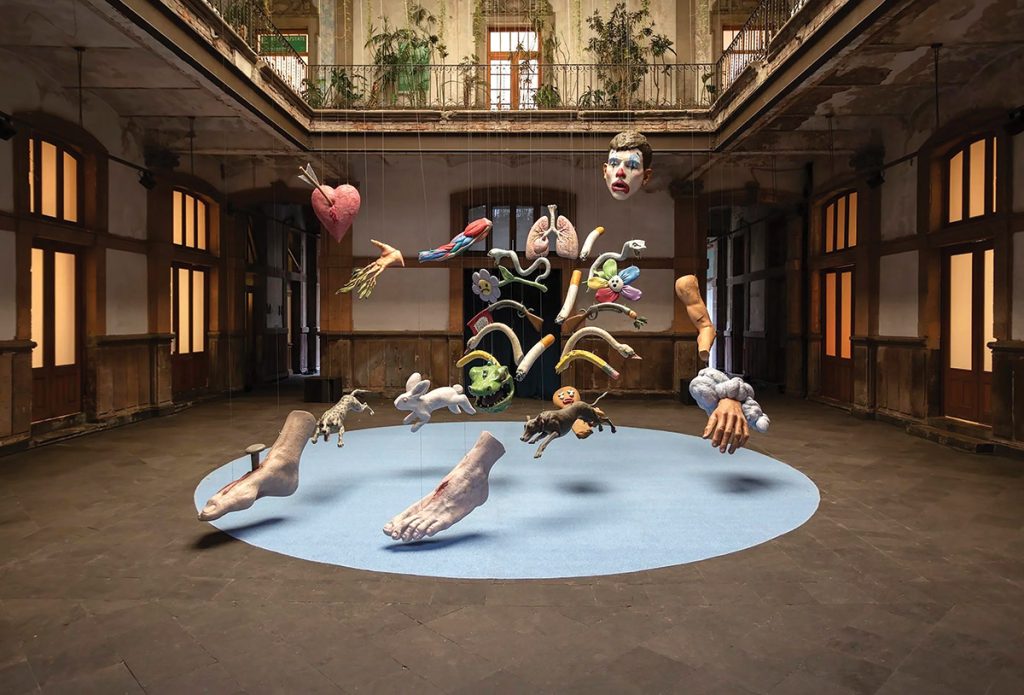
I had heard that the art world was fed up with glitzy, restrictive European fairs – with their exclusive guest lists, VIP/VVIP/VVVIP tiers, pre-pre-pre openings…
We are in the midst of a culture war. Social change – which is more needed than ever – is driven by these cultural battles, I believe.
This was my third visit to the Art Week of the Americas, or Mexico City Art Week. It has become a necessary annual pilgrimage for many reasons.
I had heard that the art world was fed up with glitzy, restrictive European fairs – with their exclusive guest lists, VIP/VVIP/VVVIP tiers, pre-pre-pre openings… with the jet-set party crowd attending merely to be seen, walking the fair corridors champagne in hand, laughing at ever-more sensationalist, tongue-in-cheek commercial art that dispensed with concept, sneered at politics, and prioritised ever-lamer, brainless parties year by year.
Other fairs seem to have dedicated more square metreage to parking for fancy cars ferrying investment buyers, until the recipe became so stale and unexciting that the art market suffered – and everything was blamed except the obvious reasons above.
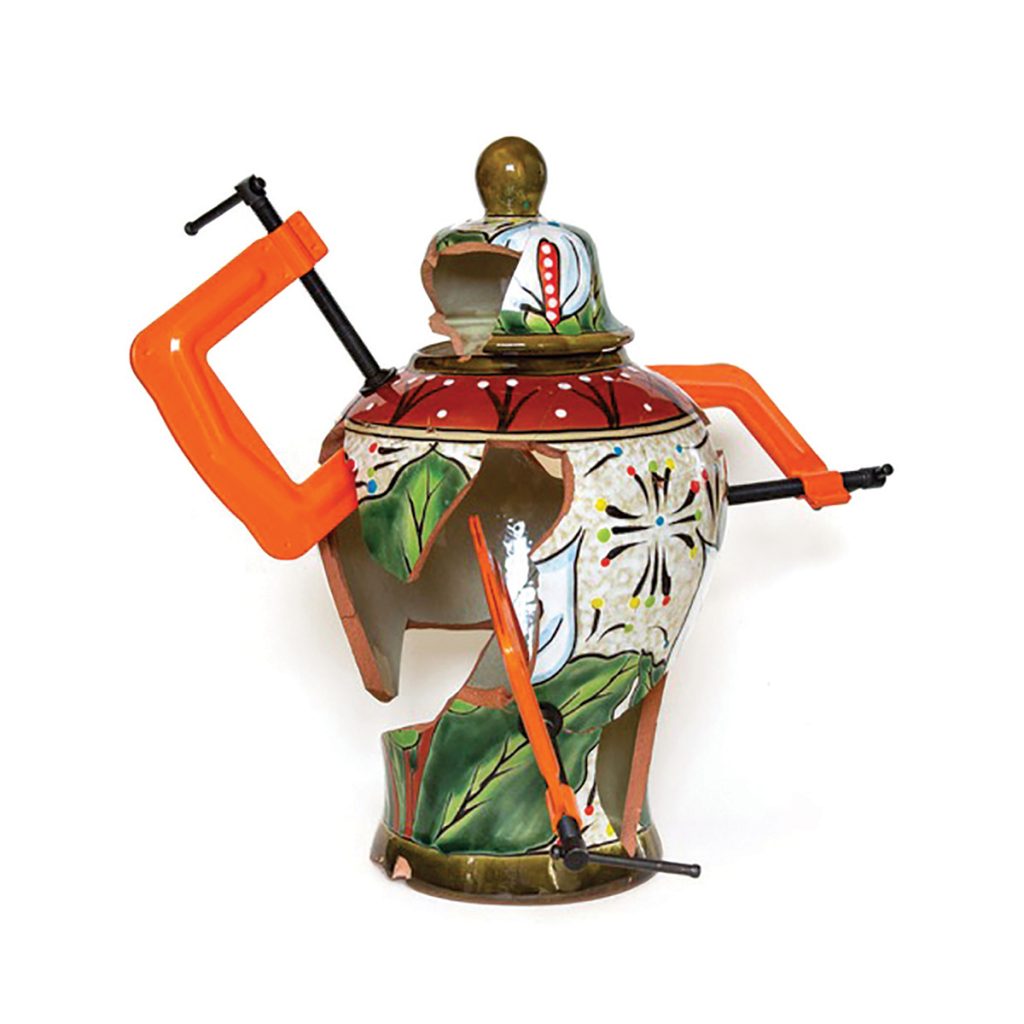
I was told that in Mexico City, most of the hundreds of artists showing simply showed art: venues accessible, visitors mostly art lovers, networking genuine, performances powerful and human. They did not disappoint.
The three main fairs – set in sprawling locations – comprised Zonamaco (the upmarket classic art fair with big-name international galleries alongside up-and-coming ones curated by Manuela Moscoso), Feria Material (mostly emerging artists shown by edgy contemporary galleries, this year in a new and fantastic location), and Salon Acme (set in a decadent hacienda and mostly artist-based).
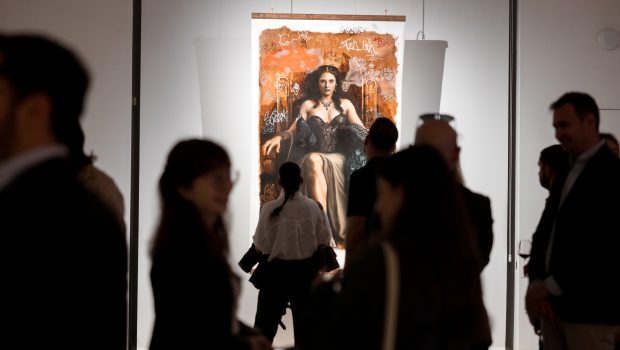
At the same time, dozens of local galleries and pop-up spaces opened new shows – as varied as can be – their doors flung wide, artists present, gallerists as hospitable as you would expect in a city oozing Latin culture.
Local artists, from legendary to barely known, opened their homes and studios, guiding visitors enthusiastically through their work – eager to exchange thoughts, knowledge, fears, hopes, and dreams.
Conversations amidst works in every imaginable medium and material ranged from a passionate desire to re-discover ancient knowledge systems and pre-Hispanic civilisations, notions of independence and revolution, social change, dismissal of Western cultural superiority, analysis of colonial issues, and spiritual-political conundrums, to imminent contemporary concerns. The Latin spirit is emotionally transparent, immediately reactive, and always ready to discuss with an open mind. Salon Acme’s entrance bore a larger-than-life message: Todo pasa – all will pass – acknowledging the present while offering hope.
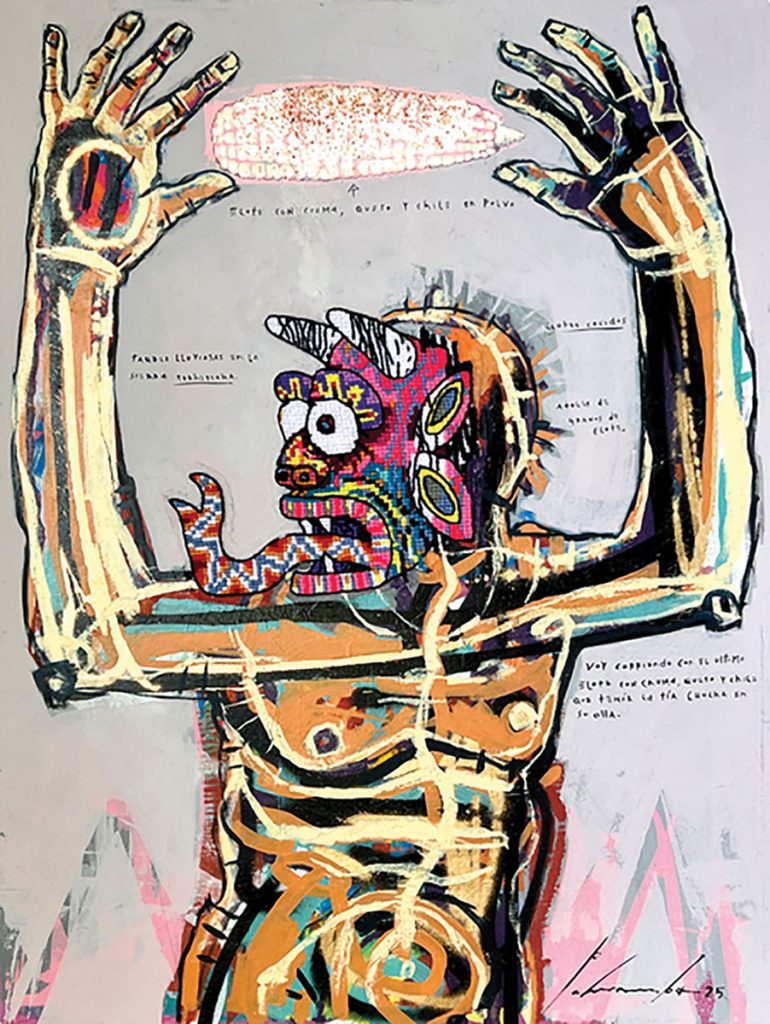
Many international artists present seemed to step into this mindset. The offerings were interesting, refreshing, and challenging.
The week for me was a marathon across this huge, sprawling city – my itinerary carefully planned – visiting galleries a kilometre or so apart, opening after opening. I listened to concept after concept, idea after idea, motivation after motivation: excited-to-subversive, fidgety explanations from artists and gallerists behind the work. Dizzying diversity. Bold themes. Senses wonderfully overwhelmed. Mind racing – computing, learning, drawing closer to understanding, pushing the boundaries of what is humanly possible in the realms of thought.
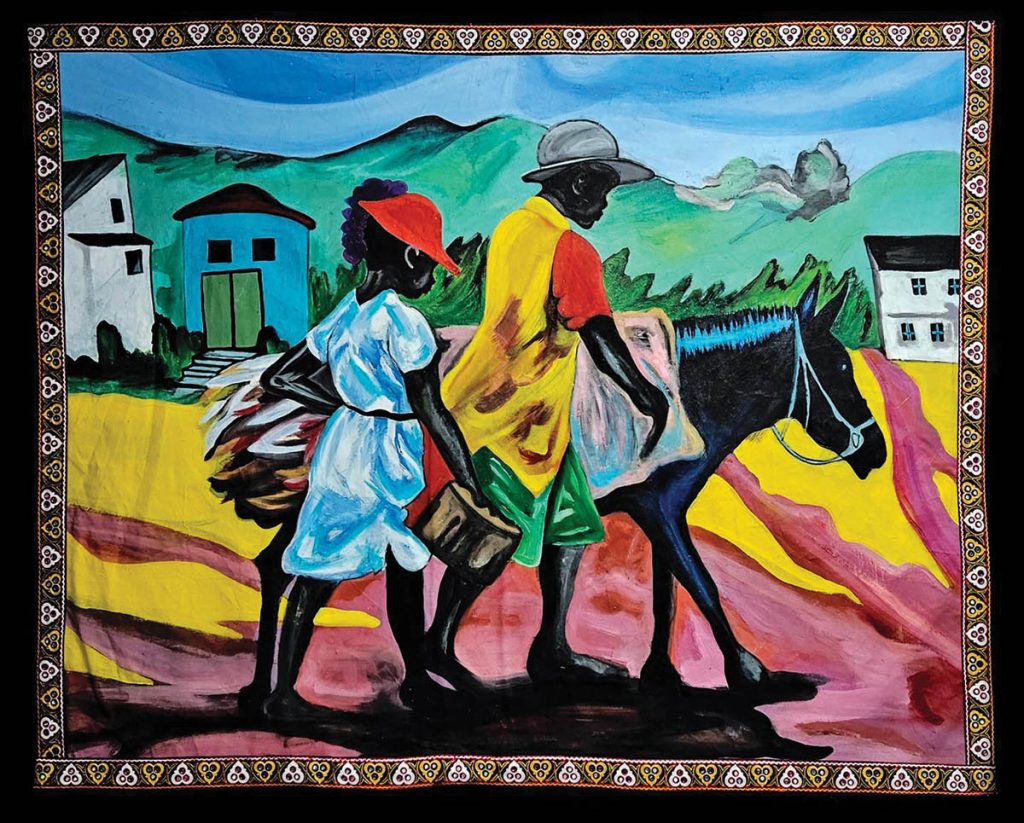
The private galleries – often in modernist, brutalist, or colonial haciendas – were wonders in themselves: through a small door in a busy street, vast spaces with large courtyards and urban gardens opened up. I have not even started mentioning the national institutions – majestic locations in parks and castles, exhibits at Diego Rivera’s Anahuacalli where works dialogue with the largest collections.
The exhibits were uncluttered and well lit, well planned out. The works were given space to breathe – to be seen, experienced, and inspire. There was no pressure.
Gallerists were friendly and promoted each other. New gallerists were celebrated and recommended.
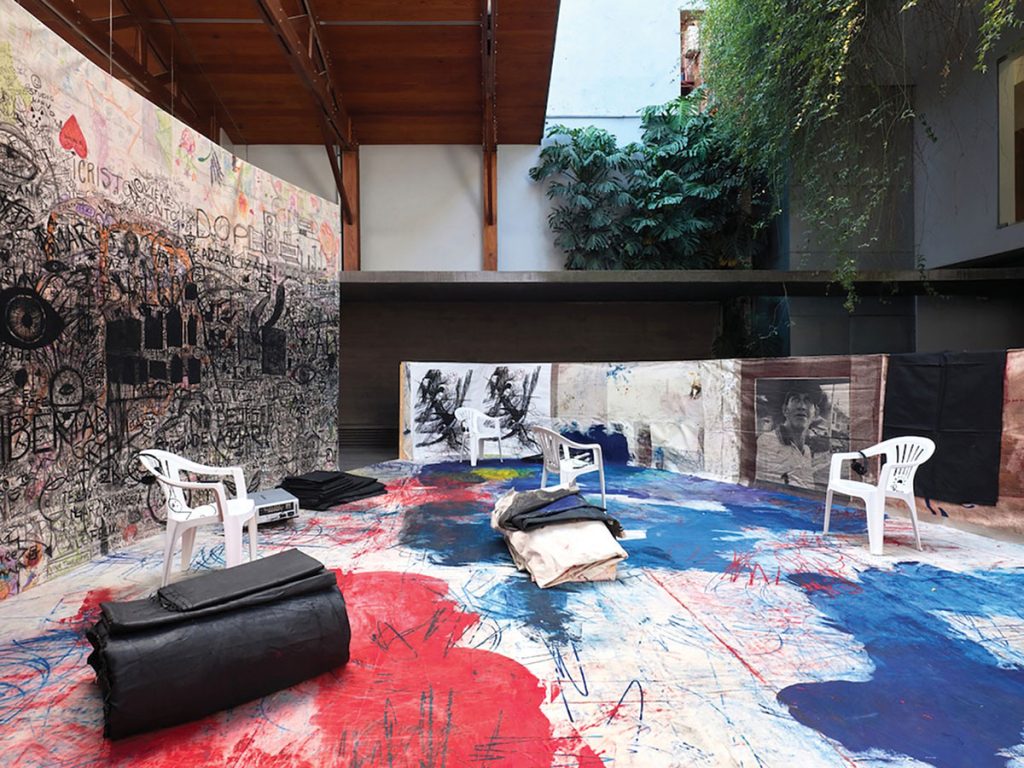
Local artists, from legendary to barely known, opened their homes and studios, guiding visitors enthusiastically through their work – eager to exchange thoughts, knowledge, fears, hopes, and dreams.
From the last (regrettable) show at legendary MAIA Contemporary, to the first at eponymous Georgina Pounds gallery showing Vanessa Raw, to one of my favourite artist-spotter and boldest galleries – Andrea Maffioli from Copperfield London showing Sophie Jung – to my favourite new discovery, Andres Henao with Sala de Espera at Material, I was treated to an all-round feast.
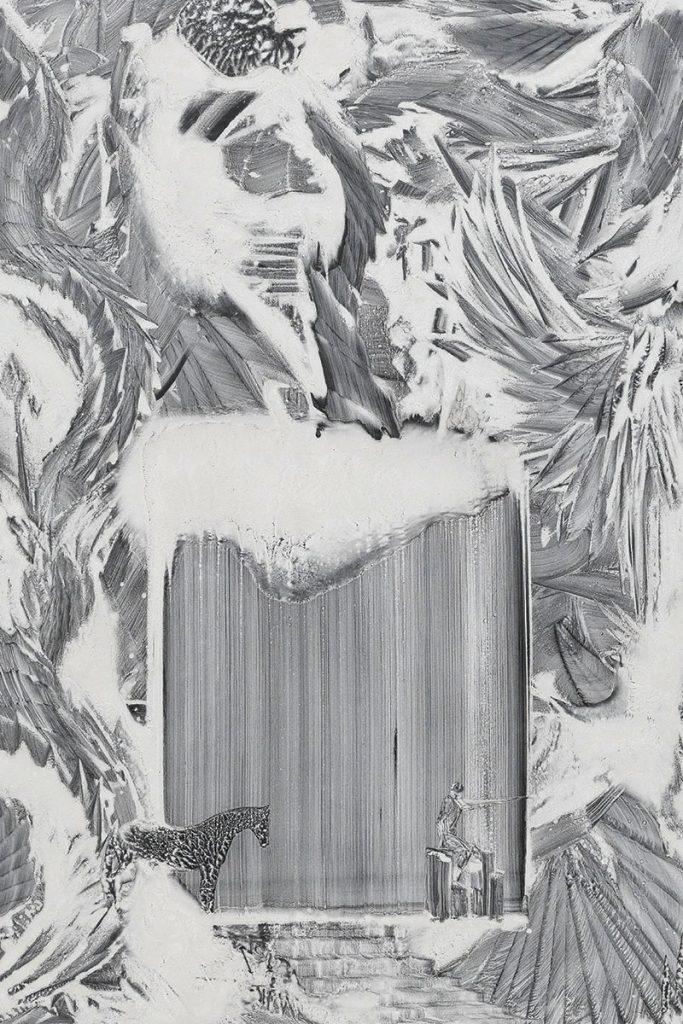
My dream is to see work by Malta-based artists in dialogue with all the above. Our identity and post-colonial obsessed artists need to be part of this inspiring world. We have so much to contribute and learn, and I hope a gallery takes up an artist (or more) there next year. This is as a large incubator for change as I have ever witnessed. Judging by the world’s reaction to left-leaning, uncompromising artists like Bad Bunny – who coincidentally reigned on the world stage right in the middle of Art Week – we have a good prediction of who is winning the culture war.