Framing the Iconic
The acclaimed British-Maltese photographer Lorenzo Agius brings his celebrated portraits of film legends to Corinthia Palace Malta.
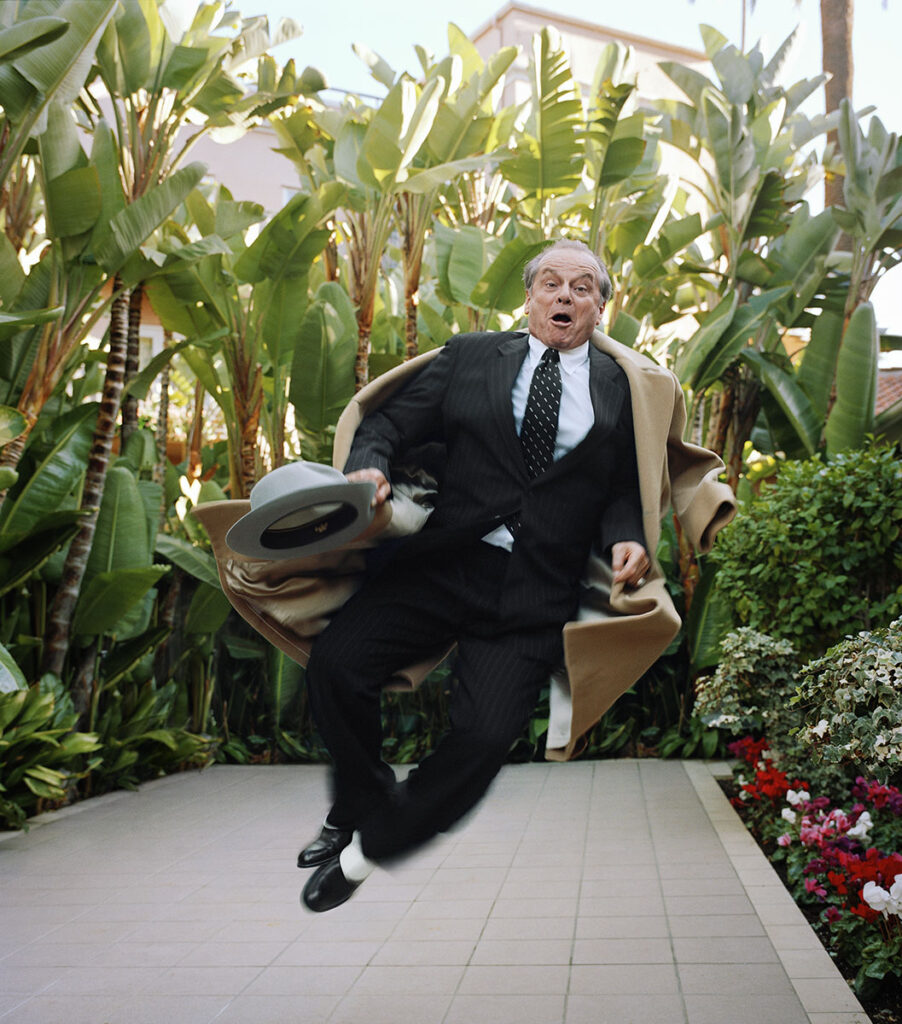
As ICONS OF FILM opens at Corinthia Palace, we speak to internationally acclaimed British-Maltese photographer Lorenzo Agius and curator Prof. Charlene Vella about the exhibition’s journey from London to Malta, the enduring power of portrait photography, and the stories behind some of cinema’s most recognisable faces.
Featuring celebrated portraits of actors, filmmakers and cultural icons, the exhibition, presented by Corinthia Palace Malta in collaboration with Visit Malta and Arts Council Malta explores the space between celebrity and humanity, revealing the personalities behind the public image. In this interview, Agius reflects on his creative process, photographing actors, and the emotional significance of presenting the work in Malta, while Vella discusses the exhibition’s curatorial vision and its place within a wider celebration of film, identity and cultural exchange.
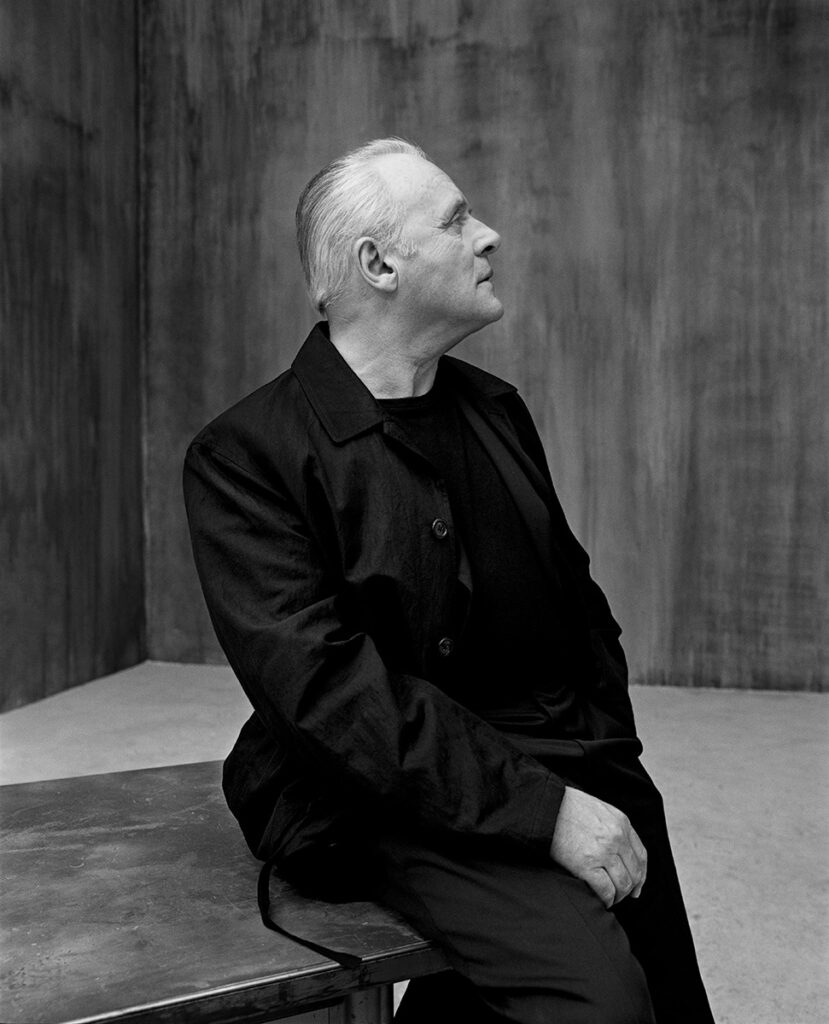
How does the Malta exhibition build on or differ from your Corinthia London presentation?
Charlene Vella, Curator: The Malta exhibition builds on the spirit of ICONS OF FILM, but it is not simply a reduced version of the London presentation. In Malta, the exhibition takes on a more intimate and site-specific character. At Corinthia London, the project was presented within an international cultural context, foregrounding Lorenzo Agius’s contribution to contemporary image-making and celebrity portraiture. At Corinthia Palace Malta, the emphasis shifts slightly. Here, the exhibition becomes a homecoming of sorts, not only for Lorenzo, who was born in the UK to Maltese parents, but also for the images themselves, which are being encountered by an audience deeply attuned to ideas of identity, visibility and cultural belonging.
The Malta presentation is also conceived in dialogue with the Mediterrane Film Festival. This gives the exhibition a particularly cinematic resonance. Rather than being viewed purely as portraits of famous actors, the photographs are experienced as part of a broader celebration of film, performance and visual storytelling. The works move through the hotel almost like scenes in a film, inviting visitors to encounter them gradually, across different spaces and moods.
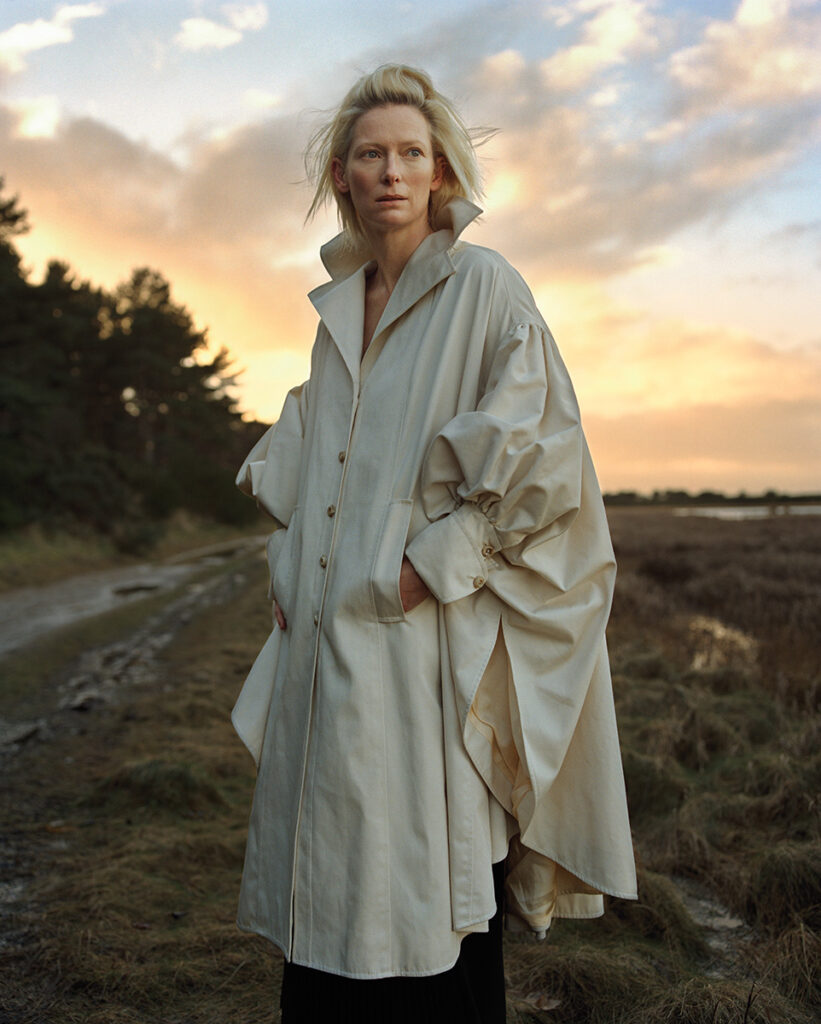
“Sometimes the most truthful image comes from wit, elegance, creativity, absurdity or a fleeting look between poses.“
What is it about photographing actors that continues to inspire you, both creatively and artistically? Lorenzo Agius, Artist: Actors are fascinating subjects because they understand transformation. They spend their lives moving between themselves and the characters they inhabit, so there is always a layered quality to photographing them. You are not only photographing a face. You are photographing presence, memory, performance, vulnerability and control, often all at once.
What continues to inspire me is that no two sittings are ever the same. Some actors arrive with a very clear idea of how they want to be seen, while others are more open to discovery. My role is to create a space where something interesting can happen and let stories unfold. Sometimes that is glamour, sometimes humour, sometimes stillness, and sometimes a moment when the public image drops slightly, and something much quieter appears. That tension is what keeps the work alive for me.
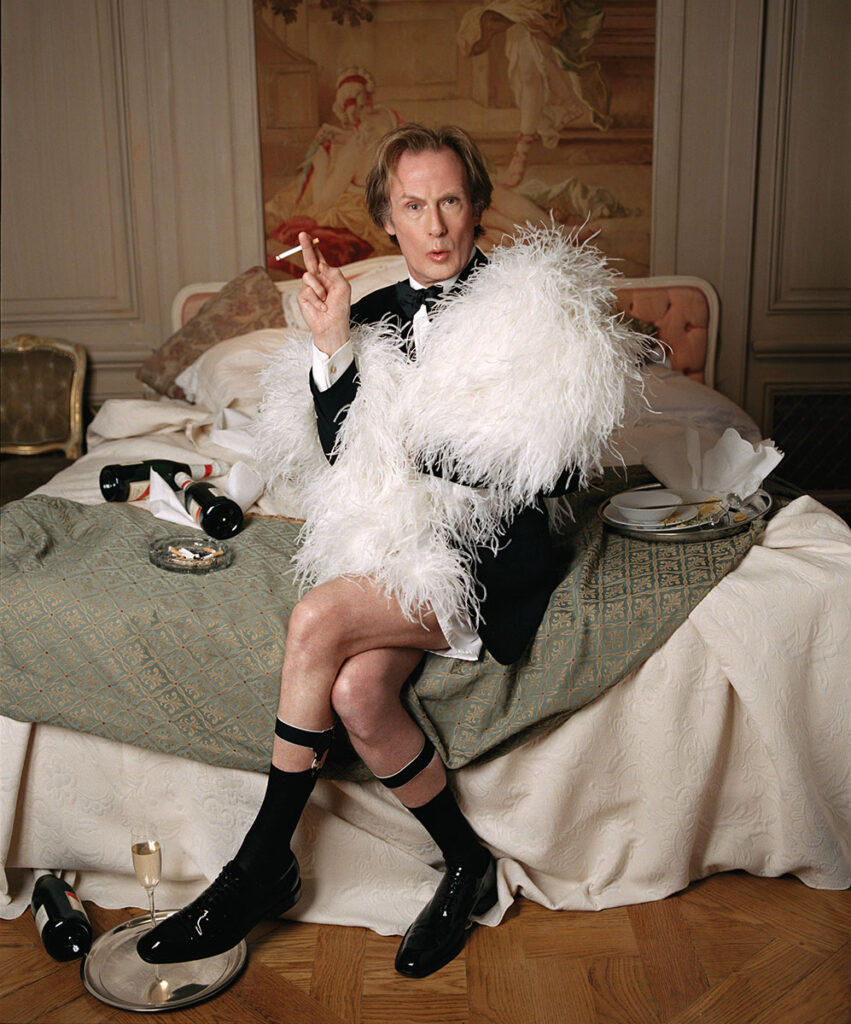
When you are photographing well-known figures, how do you balance their public image with capturing something more personal and authentic?
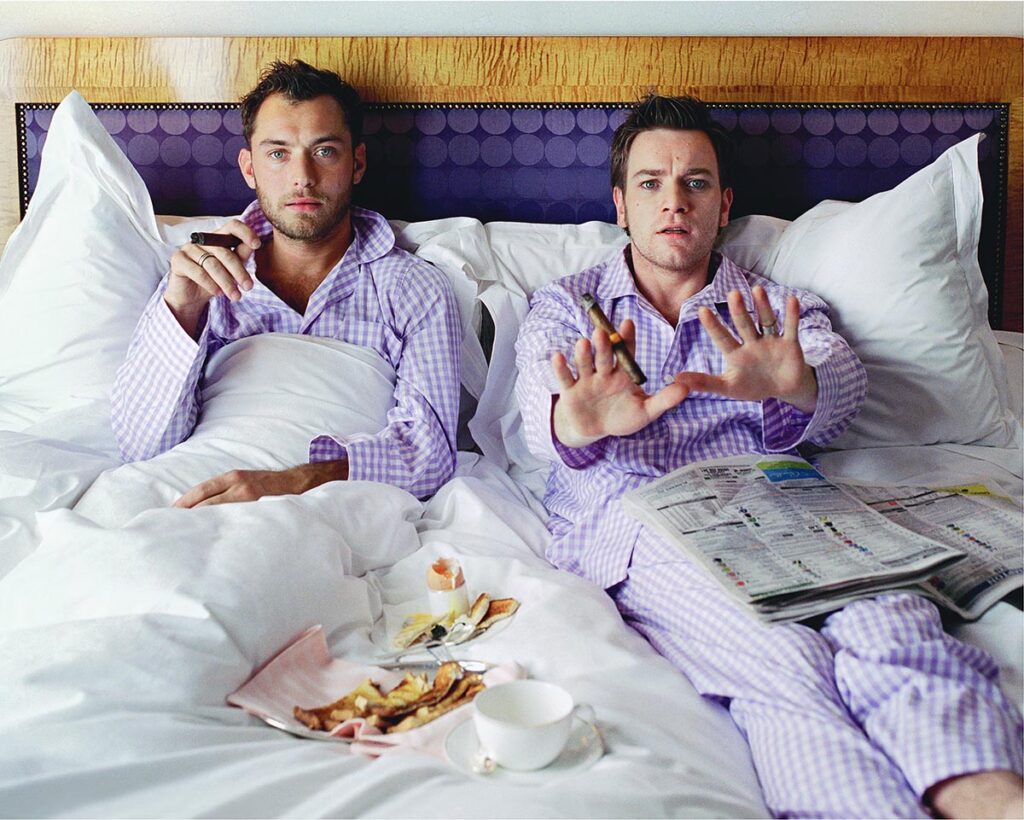
Lorenzo Agius, Artist: With celebrities, the public image is always in the room. It cannot be ignored; in many ways, it is part of the subject. The challenge is not to erase that image, but to work with it and move beyond it. I am interested in the moment when the image people think they know becomes slightly unsettled. That can happen through gesture, lighting, humour, composition or simply through conversation. A portrait session is a collaboration. I try to build trust quickly so that the person in front of the camera feels they can play, relax, or reveal something unexpected. Authenticity does not always mean solemnity. Sometimes the most truthful image comes from wit, elegance, creativity, absurdity or a fleeting look between poses.
Looking back at your body of work, are there particular themes or approaches that stand out to you now, and how have they influenced this exhibition?
Lorenzo Agius, Artist: Looking back, I can see that I have always been interested in character, atmosphere and the construction of an image. Even when the photographs appear effortless, they are carefully composed. I like the space between spontaneity and structure. Many of the images have a cinematic quality, which perhaps comes from working so closely with actors and film culture over the years.
Another recurring theme is the idea of icons as human beings. Some of the people I photographed were already very famous; others were just beginning to become internationally recognised. What interests me now is how these photographs have taken on new meanings over time. They are portraits, but they are also part of the visual memory of particular moments in cinema and popular culture. That sense of time, memory and recognition has strongly shaped this exhibition.
How did audiences respond to the exhibition in London, and did that change the way you think about the work?
Lorenzo Agius, Artist: The response in London was very warm, and what struck me most was how personal people’s reactions were. Visitors did not simply recognise the actors. They connected the photographs to films they had loved, moments in their own lives, or particular cultural memories. That reminded me that portraits can live beyond the original sitting. Once they are exhibited, they begin to belong to the viewer as well.
It did make me think about the work differently. When you spend years making images, you are often focused on the shoot itself, the person in front of you, the composition, the commission, the deadline. Seeing the photographs gathered together in an exhibition allows you to understand them as a larger body of work. It reveals connections you may not have fully seen at the time.
Does showing the series in Malta give it a different meaning for you, considering your personal connection to the island?
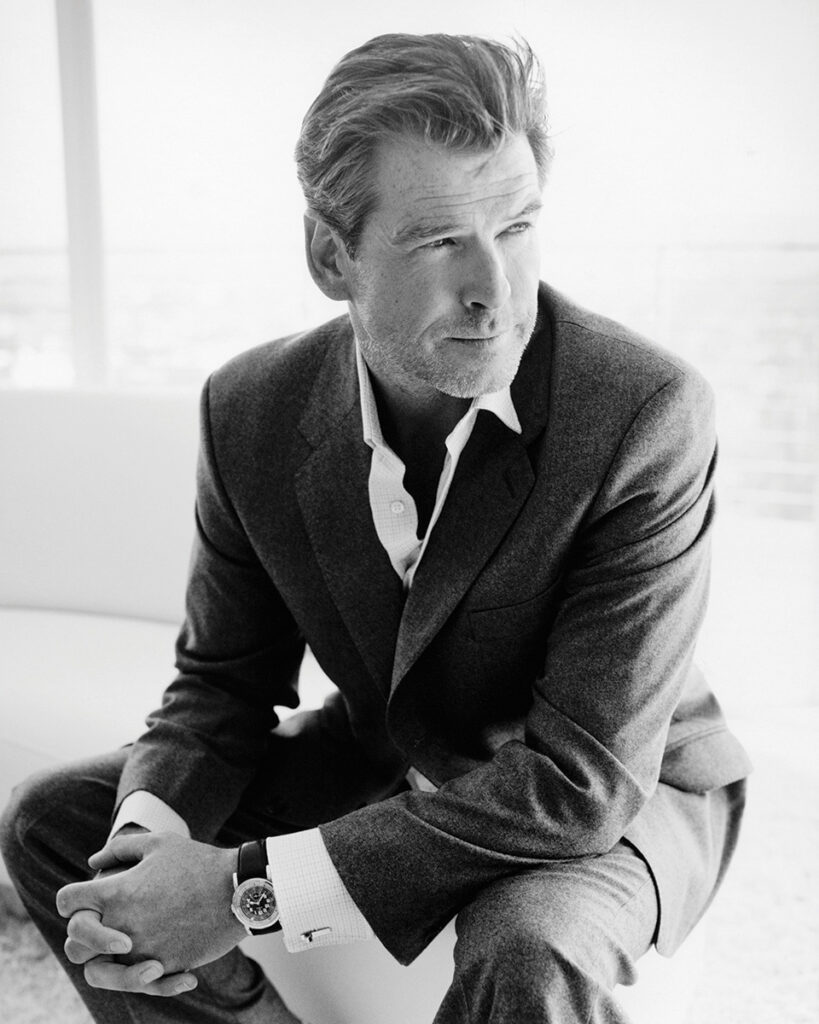
Lorenzo Agius, Artist: Yes, absolutely. Malta has always been part of my story, even though my career developed largely in London and internationally. Showing the work here gives the exhibition a different emotional weight. There is something very special about bringing these images to a place connected to family, heritage and identity.
It also feels meaningful to present this work in Malta at a time when the island is increasingly positioning itself as a place of cultural exchange, including through film. The exhibition allows me to share a part of my world with a Maltese audience, but it also allows the work to be seen through a different lens. In Malta, the photographs are not only about cinema and celebrity. They also become part of a conversation about belonging, return and international creative identity.

What would you like the audience to take away from the exhibition beyond the photographs themselves? Charlene Vella, Curator: I would like audiences to come away with the understanding that this exhibition is not only about recognising famous faces. It is about looking more carefully at the power of portraiture, at how images shape cultural memory, and at how photography can hold together glamour, performance, intimacy and humanity.
It is also important that this exhibition is being shown outside the conventional gallery space. That decision is deliberate. By presenting Lorenzo Agius’s work at Corinthia Palace, in collaboration with the Malta Film Commission and in dialogue with the Mediterrane Film Festival, the exhibition reaches a broader and more varied audience. It allows people to encounter the photographs in a living space, almost unexpectedly, as part of a wider celebration of cinema, culture and creative exchange.
For me, there is also another important layer. These extraordinary images were created by a Maltese artist who, with humility, discipline and remarkable visual intelligence, has built an international career over more than thirty years. Many people may not realise that Lorenzo was behind some of the legendary images associated with Trainspotting, released in 1996, photographs that became part of the visual language of a generation. His work has helped shape the way many of us remember some of the most recognisable figures in contemporary film.
That achievement should be celebrated. The exhibition is therefore not only a celebration of cinema and its icons, but also of Lorenzo Agius himself: a Maltese creative figure whose artistry deserves to be seen, recognised and appreciated here in Malta.
Lorenzo Agius, Artist:
I hope audiences enjoy the familiarity of the faces, but also look beyond recognition. These photographs are about encounters. They are about moments shared between photographer and sitter, and then between the image and the viewer. I would like people to leave with a sense of connection, perhaps to cinema, perhaps to memory, or perhaps simply to the beauty of a well-made image that still has the power to surprise.
Corinthia Palace Malta presents Lorenzo Agius: Icons of Film, a celebration of cinematic portraiture running from 26 June to 31 July 2026 at Corinthia Palace, De Paule Avenue, San Anton, Malta. The exhibition coincides with the launch of the hotel’s reimagined rooms and suites, and is presented in dialogue with the Mediterrane Film Festival and in collaboration with Arts Council Malta and Visit Malta.
Interview by Lily Agius.